How I Fixed My Makeup Sliding Off in Texas Heat Without Buying New Products
If you live in Texas, you already know the specific betrayal that happens when you do your makeup, feel cute for exactly twelve minutes, and then step outside and realize your face is now in a committed relationship with humidity.
I used to think my makeup was “failing” because I needed better products, only to find out the real problem was my routine, my placement, and a couple small habits that were basically inviting my makeup to slide right off.
So if your foundation separates, your concealer creases, your mascara smudges, or your whole face looks like it is slowly melting by lunchtime, I want you to know there is hope, and you do not need to buy a new product to get it.
What actually fixed it for me was tweaking what I already had, using less product in smarter places, and setting my makeup in a way that works with heat instead of pretending heat does not exist.
This is exactly what I did, step by step, and it is built for real life, meaning you can do it on workdays, errand days, and any day where you might end up outside longer than you planned, because that is how Texas operates.
Why Makeup Slides Off in Heat (In Normal Language)
When it is hot and humid, your skin produces more sweat and oil, and those two things basically break down your makeup from underneath. If you are wearing heavy layers, or you are mixing products that do not layer well, the heat makes it worse.
Add in sunscreen, which is important and non-negotiable, and suddenly you have multiple layers sitting on the skin, and if those layers are too thick or too slick, your makeup has nothing stable to grip onto.
The fix is not more product, because more product usually makes it slide faster, and it also makes the breakdown look more obvious.
The fix is a thinner, more strategic routine that controls shine where you need it, keeps moisture where you want it, and lets your base lock in without suffocating your skin.
Step 1: Change the Order of Your Skincare, Not the Products
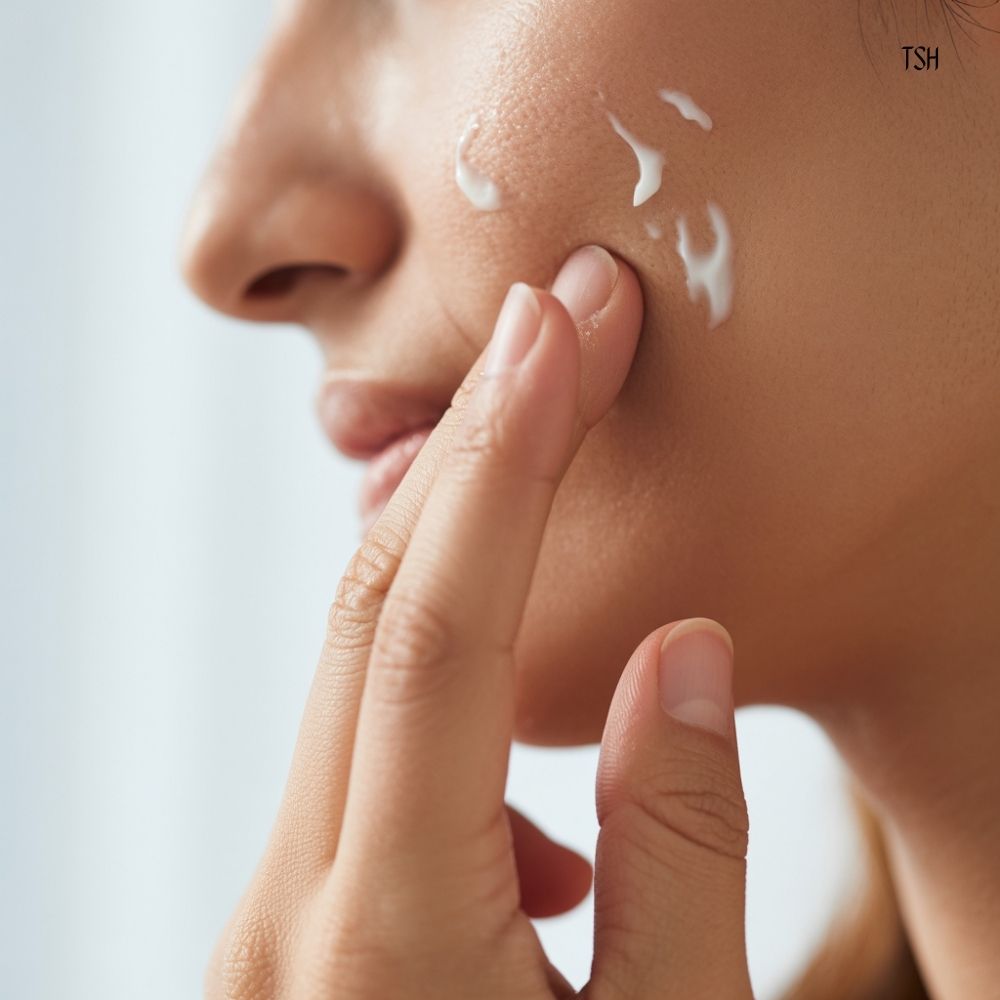
The first thing I fixed was my skin prep, because I used to apply moisturizer and immediately go in with makeup. Now I do the same moisturizer, but I give it time to settle, and that tiny pause makes a bigger difference than you would expect.
Here is what I do with products I already own: I cleanse, I moisturize lightly, and I wait about two to three minutes before makeup. During that time, I get dressed, do my hair, or pack my bag.
If you wear sunscreen, which you should, I apply it after moisturizer, and I give sunscreen its own settling time too, because sunscreen needs a few minutes to form an even film on the skin, and makeup goes on better when that layer is not still wet.
Step 2: Use What You Already Own as “Primer,” Without Buying Primer
If your moisturizer is very dewy or oily, use less of it in the T-zone, and focus it more on the outer areas of your face, because the center is where makeup usually breaks down first. If you have a lightweight lotion or gel moisturizer, use that in the center and keep richer moisturizer for the perimeter.
If you own a translucent powder, you can also “prime” with powder, and this is one of the biggest tricks that changed my makeup life in summer. You lightly dust a tiny amount of powder in the T-zone after sunscreen has settled, then you apply your base over it.
Step 3: Stop Layering Thick Base and Start Spot-Correcting
This is where I used to sabotage myself, because I would apply foundation all over, then add concealer, then add more foundation, then wonder why everything separated. Now I keep base thin and targeted.
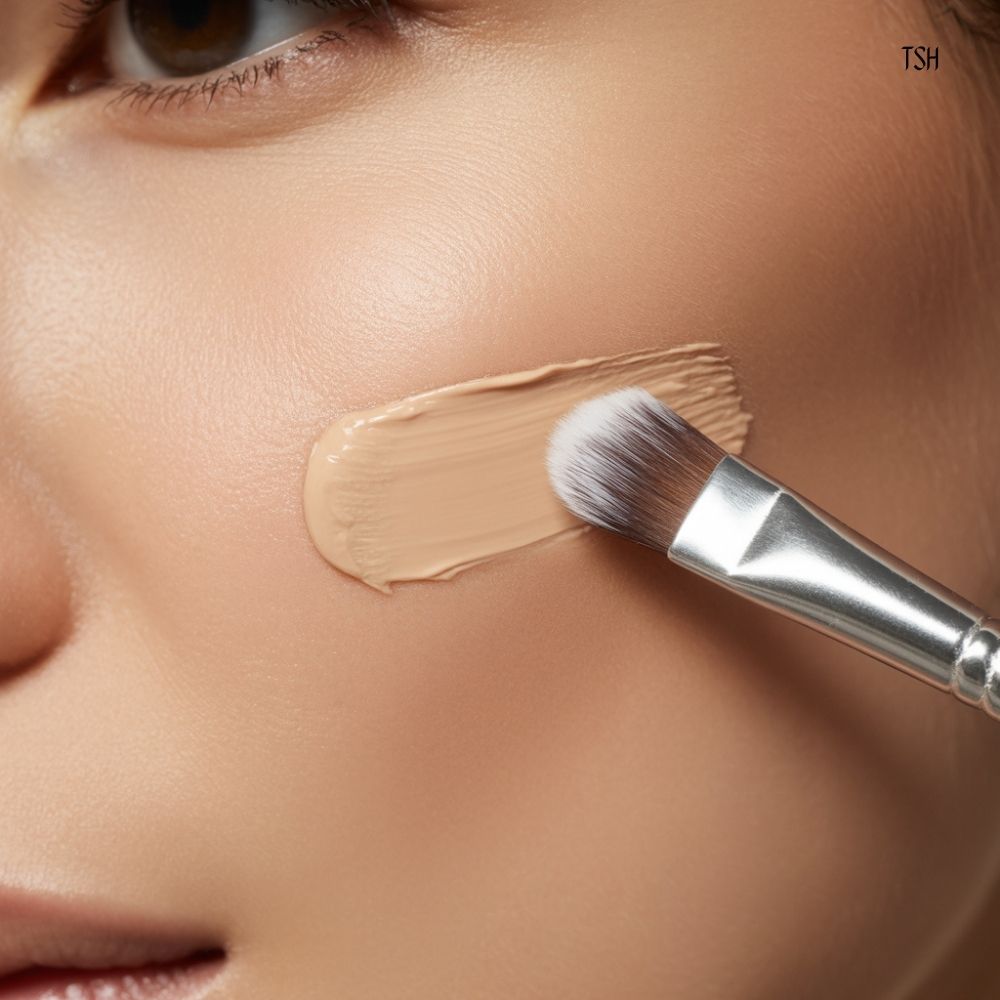
I apply a small amount of base only where I need it, and if I am using foundation, I use a thin layer in the center of the face and blend outward. If I am using concealer, I apply it only where it makes me look more awake.
A practical trick that helps is letting concealer sit for a few seconds before blending, because it gives slightly more coverage with less product, and less product is the whole point here.
Step 4: Switch From “Glowy Everywhere” to “Glow in the Right Places”
I love a glowy look, but a glowy look in Texas heat can turn into “I look sweaty” in one hour if you are not careful. The fix is keeping glow on the high points and keeping the rest more controlled.
So instead of using dewy products all over, I keep my cheeks fresh with cream blush, but I avoid placing shiny products on the center of the face, like the sides of the nose, the upper lip, and the middle of the forehead.
When you let your natural shine live only where it happens, and you control it slightly, you look fresh instead of melted.
Step 5: Set in Two Steps, Not One Heavy Powder Layer
First, I set lightly right after base, focusing on the T-zone and under eyes with a small amount of powder, which keeps those areas stable. Then I do the rest of my face, like blush and brows, and after that I do a final light pass of powder only where I tend to get shiny again.
This prevents the common mistake of packing on powder all at once, which can look heavy, and it also helps your base lock in gradually, which makes it last longer.
If you do not use powder normally, you can still try setting just the center of your face and leaving the perimeter alone, because that gives you the best of both worlds, which is comfort and longevity.
What I Do If My Makeup Starts Sliding Midday
If I notice separation or shine in the middle of the day, I do not add more base, because that makes it worse. I blot first, then I lightly press a tiny bit of powder only where needed, and if I need coverage, I use the smallest amount of concealer and tap it in gently.
If mascara smudges, I let it dry, then I use a dry cotton swab or the corner of a tissue to flick it away, because wiping wet mascara spreads it. If my blush disappears, I tap a little more cream blush on top, because it brings life back without needing a full base redo.
The key is to fix the smallest issue, then stop, because over-correcting is how you end up with layers that look heavy.
Mistakes I Used to Make That Made Everything Worse
I used to apply too much moisturizer and too much sunscreen and then rush into makeup, which made my base slide around like it was on a water slide.
I used to pile on foundation for coverage, then add a ton of powder to “fix it,” and that combination would crack and separate by midday. I also used to use glow products on the center of my face, which looks cute for five minutes and then reads as sweat later.
Once I started letting layers dry, using less base, and setting strategically, my makeup started lasting longer without me buying anything new, which was honestly the most satisfying part.
Final Thoughts
If your makeup melts in Texas heat, you are not doing anything wrong, and your face is not broken, because heat and humidity are just aggressive. The fix is smarter prep, thinner layers, better placement, and setting in a way that supports your skin instead of fighting it.