Healing Process: Day by Day Breakdown of Tattoo Recovery
A new tattoo often looks bold and striking the moment you leave the studio. The lines appear crisp, the colors look rich, and the design feels like a permanent piece of art on your skin. What many people do not realize is that the tattoo will undergo several visible changes over the next few weeks.
Tattoo healing happens in stages. Your skin needs time to repair itself after the needle places ink beneath the surface. During this period, the tattoo may look slightly red, dry, or flaky. These changes are normal and part of the natural recovery process.
Understanding how healing progresses each day can help you care for the tattoo properly and avoid common mistakes that may affect the final result.
What Happens During Tattoo Healing
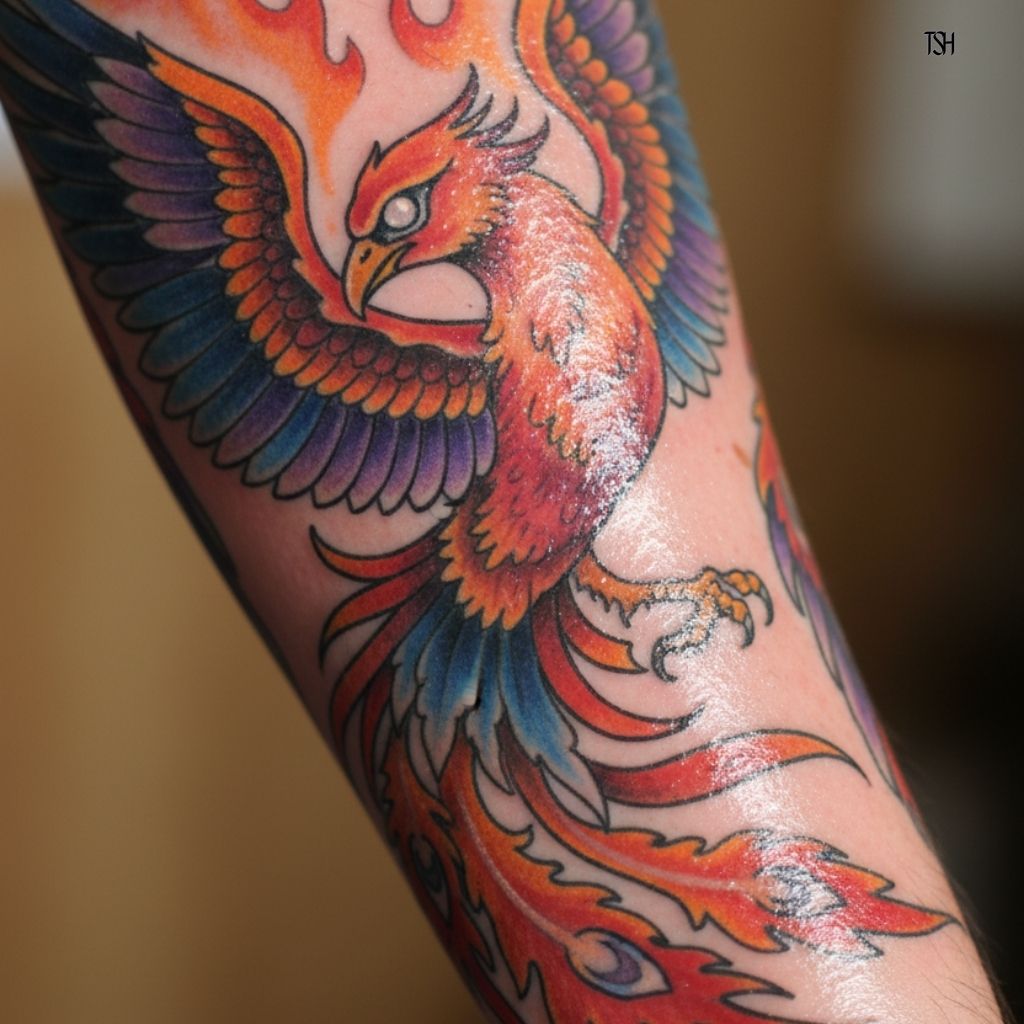
Tattooing creates thousands of tiny punctures in the skin. Your immune system responds by sending fluids and cells to the area to repair it. This process begins immediately after the tattoo session.
The outer layer of skin helps close the wound, while the deeper layer stabilizes the ink particles. As the skin repairs itself, you may notice changes such as dryness, flaking, or slight swelling. These reactions are part of the body’s natural healing response.
Most tattoos take about two to four weeks to heal on the surface. Deeper layers of the skin may continue to heal for several more weeks.
Day 1: The Fresh Tattoo

The first day after getting a tattoo is when the skin is most sensitive. The tattoo may appear bright, slightly swollen, and warm to the touch. Some redness around the area is normal.
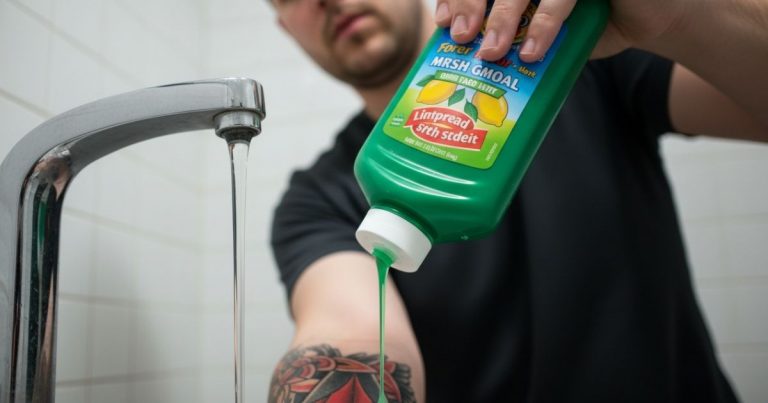
Many tattoo artists cover the tattoo with a bandage or protective film to prevent bacteria from entering the skin. Once the bandage is removed, gently clean the tattoo with lukewarm water and mild soap.
During this stage, it is important to keep the tattoo clean and avoid touching it with unwashed hands. Your skin is still an open wound and needs protection from irritation.
Days 2 to 3: Early Healing Stage
During the next couple of days, the tattoo may still feel tender. The redness should begin to decrease, although the area may remain slightly sensitive.
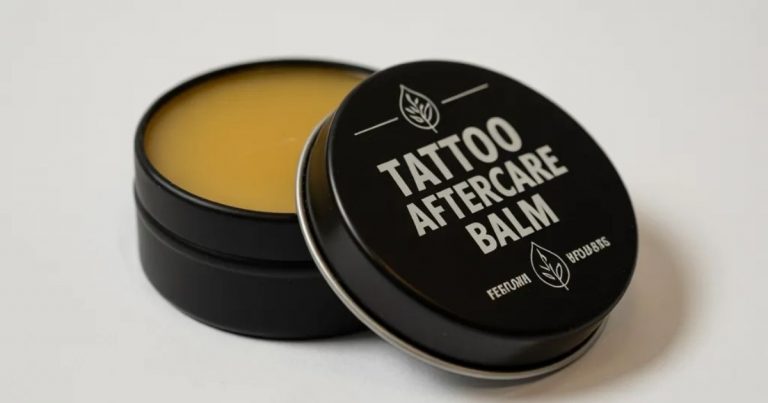
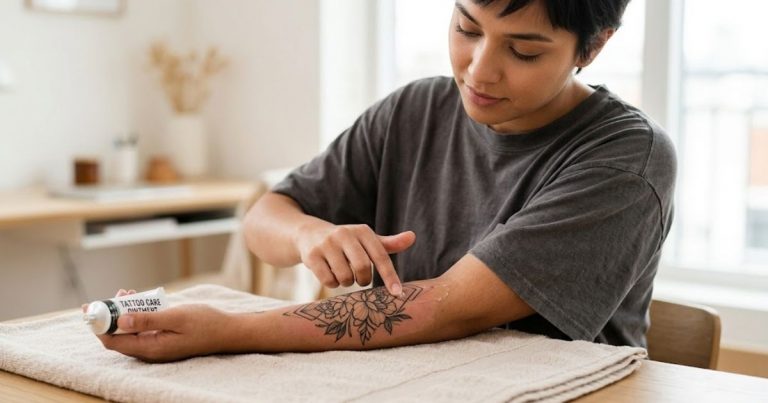
A thin layer of fluid sometimes appears on the tattoo. This fluid is part of the body’s healing response and helps protect the skin. After washing and drying the tattoo, a light layer of fragrance-free moisturizer can help keep the skin comfortable.
Avoid soaking the tattoo in water during this stage. Long baths, swimming pools, and hot tubs may introduce bacteria that could interfere with healing.
Days 4 to 6: Scabbing and Dryness

Around the fourth or fifth day, many tattoos begin forming small scabs. These scabs are usually thin and follow the lines of the design.
The tattoo may feel tight as the skin becomes dry. Mild itching can also begin during this period. Although itching is normal, scratching the tattoo should be avoided because it can damage the healing skin and remove ink.
Keeping the tattoo lightly moisturized helps reduce dryness and supports healthy healing.
Days 7 to 10: Peeling Stage
During this phase, the tattoo often begins to peel. The skin may look flaky, similar to what happens after a mild sunburn. Small pieces of dry skin may lift away from the tattoo.
This stage sometimes worries people because the tattoo may appear dull or cloudy. The faded appearance is temporary and occurs because a thin layer of healing skin is covering the ink.
It is important to let the peeling happen naturally. Pulling away loose skin can remove pigment and create uneven areas in the tattoo.
Days 11 to 14: Surface Healing

By the second week, most of the peeling begins to slow down. The tattoo should start to feel smoother, and the skin will gradually regain its normal texture.
Although the tattoo may appear mostly healed, the skin underneath is still recovering. During this time, the tattoo might still look slightly dry.
Continuing to moisturize the skin and protect it from sunlight helps support the final stages of healing.
Weeks 3 to 4: Final Healing Stage
During the third and fourth weeks, the tattoo continues settling into the skin. The deeper layers complete their repair process, and the tattoo gradually becomes clearer.
At this stage, most visible signs of healing have disappeared. The skin should feel smooth and comfortable. Colors often appear more balanced once the skin fully regenerates.
Even though the tattoo looks healed, maintaining good skincare habits remains important for long-term tattoo quality.
Common Mistakes During Tattoo Healing
Many problems occur because people interfere with the natural healing process.
One common mistake is scratching or picking at scabs. This can remove ink and leave patchy areas in the design. Another mistake is applying too much ointment, which prevents the tattoo from breathing.
Excess sun exposure can also harm a healing tattoo. Ultraviolet light may irritate the skin and affect pigment stability.
Allowing the skin to heal naturally while keeping it clean and lightly moisturized helps prevent most issues.
Tips for a Smooth Tattoo Recovery

Proper care during the healing process protects the tattoo and helps preserve its appearance.
Wash the tattoo gently with mild soap and lukewarm water. Keep the skin hydrated with a thin layer of fragrance-free lotion. Wear loose clothing to prevent friction against the tattoo.
Avoid swimming, direct sun exposure, and intense physical activity that causes excessive sweating during the first weeks. These simple precautions allow the skin to recover without unnecessary irritation.
Final Thoughts
Tattoo healing is a gradual process that requires patience and proper care. Each stage, from the first day of redness to the final weeks of skin recovery, plays an important role in how the tattoo settles into the skin.
When the tattoo is kept clean, moisturized, and protected from irritation, the design can heal evenly and maintain its clarity. Small daily habits, such as gentle washing and sun protection, help preserve both the color and the sharpness of the artwork.
By respecting the healing process and giving your skin the time it needs to recover, you allow your tattoo to remain vibrant and well defined for years to come.