Tattoo Removal Options: What Works and What Doesn’t
Tattoos are meant to be permanent, but not every tattoo stays meaningful forever. Tastes change, life moves forward, and sometimes a design no longer feels right. When that happens, many people start looking into tattoo removal.
The idea of removing a tattoo can feel overwhelming. There is a lot of information online, and not all of it is accurate. Some methods are effective and medically approved, while others promise quick results but can damage the skin.
Understanding what actually works and what should be avoided helps you make a safe and informed decision.
How Tattoo Removal Works
Tattoo ink sits in the dermis, which is the deeper layer of skin. Because of this, removing a tattoo is not as simple as treating the surface.
Effective removal methods work by breaking down ink particles into smaller pieces. Once these particles are small enough, the body’s immune system can gradually remove them.
This process takes time. Complete removal usually requires multiple sessions and depends on factors such as ink color, tattoo size, skin type, and how old the tattoo is.
Laser Tattoo Removal
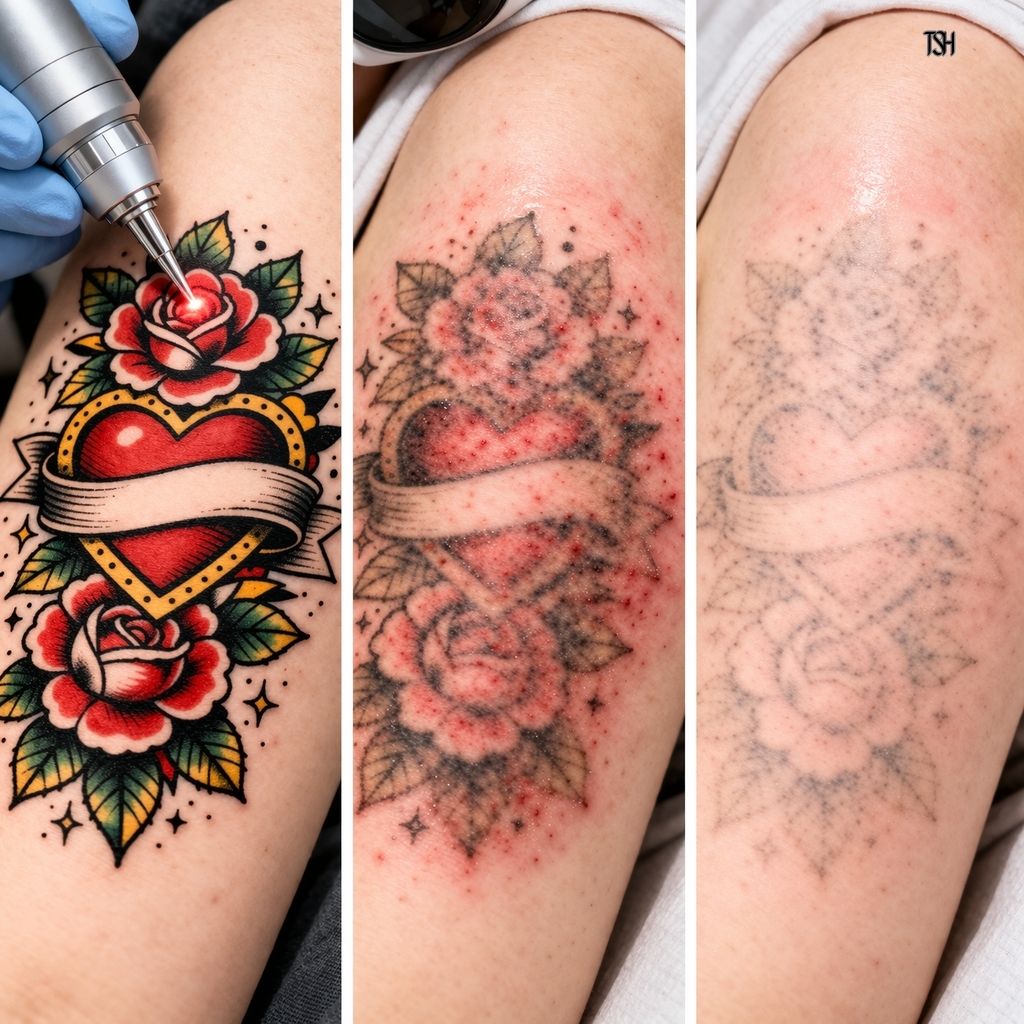
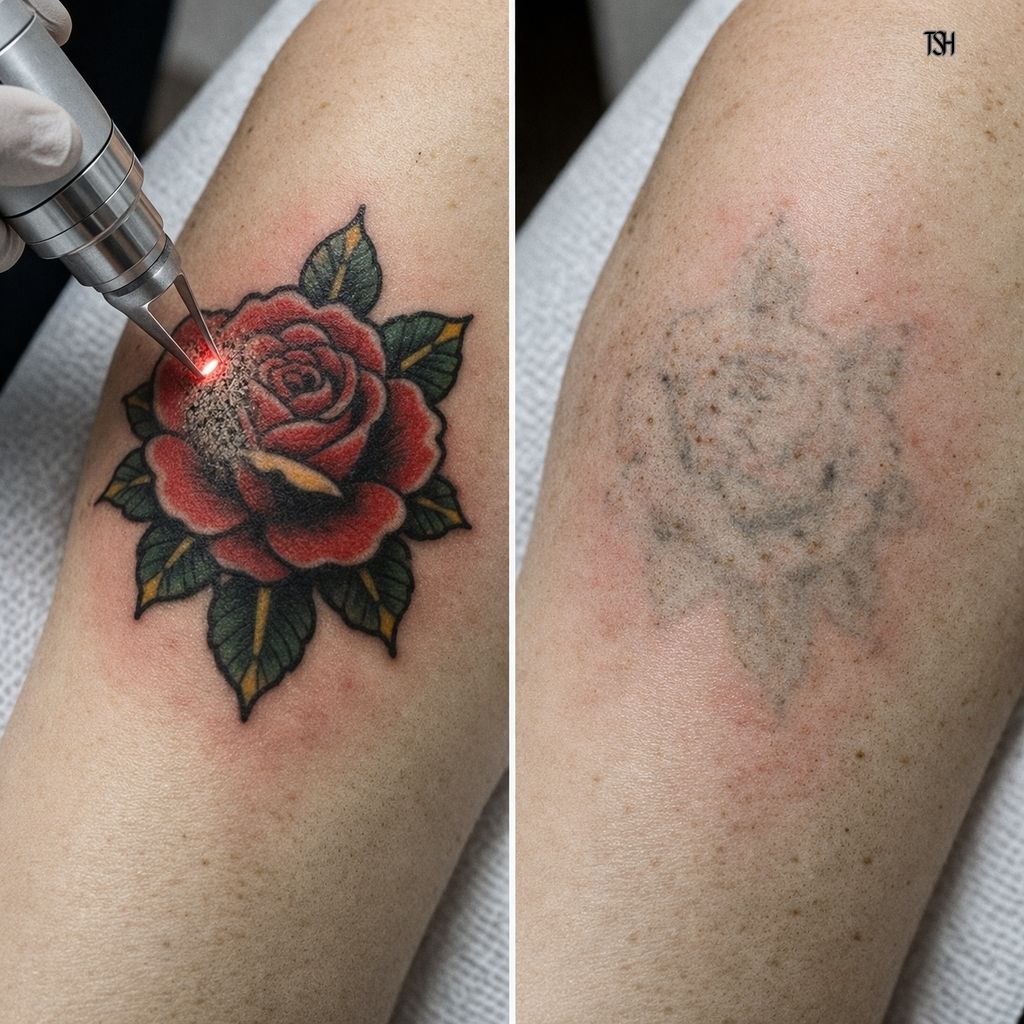
Laser removal is widely considered the most effective method for removing tattoos. It uses focused light energy to target pigment in the skin.
During treatment, the laser breaks ink particles into tiny fragments. The body then clears these fragments over time.
Why it works
Laser technology is precise. It targets ink without significantly damaging surrounding skin when performed correctly.
What to expect
Laser removal usually requires several sessions spaced weeks apart. Some tattoos fade significantly, while others may not disappear completely.
Black ink responds best to laser treatment. Colors such as green and yellow can be more difficult to remove.
Pros
Laser removal is the safest and most reliable option available today. It allows gradual fading and can achieve near-complete removal in many cases.
Cons
The process can be expensive and time-consuming. Some discomfort is expected during treatment, and full removal is not always guaranteed.
Surgical Tattoo Removal
Surgical removal involves cutting out the tattooed skin and closing the area with stitches.
When it is used
This method is typically used for small tattoos where complete removal is desired quickly.
Pros
Surgical removal offers immediate results because the tattooed skin is removed entirely.
Cons
This method leaves a scar. It is not suitable for large tattoos and requires proper healing after the procedure.
Dermabrasion
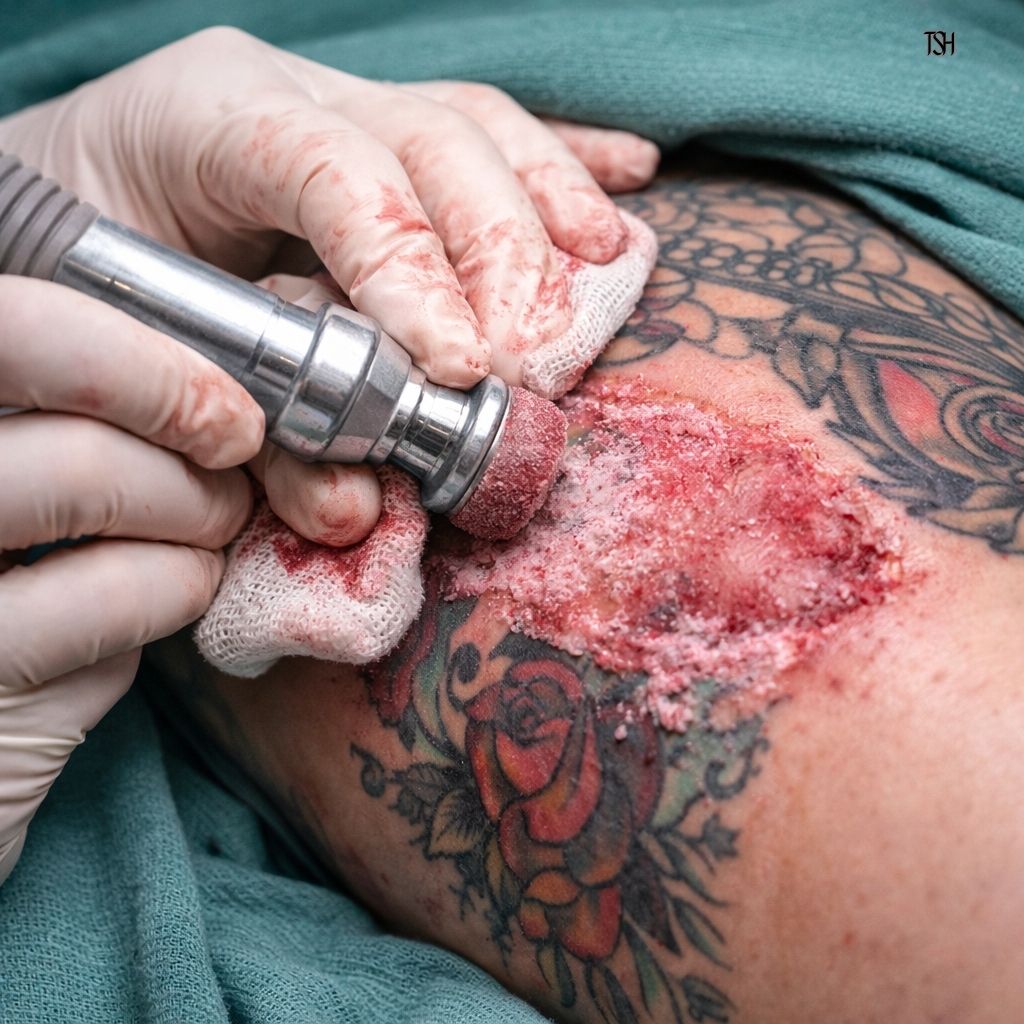
Dermabrasion is a technique that removes the top layers of skin using a rotating device.
How it works
The process sands down the skin to reach the layer where the ink is located.
Pros
Dermabrasion can reduce the appearance of a tattoo in some cases.
Cons
Results are less predictable than laser removal. The procedure can be painful and may lead to uneven skin texture or scarring.
Because of these risks, dermabrasion is used less frequently today.
Tattoo Removal Creams
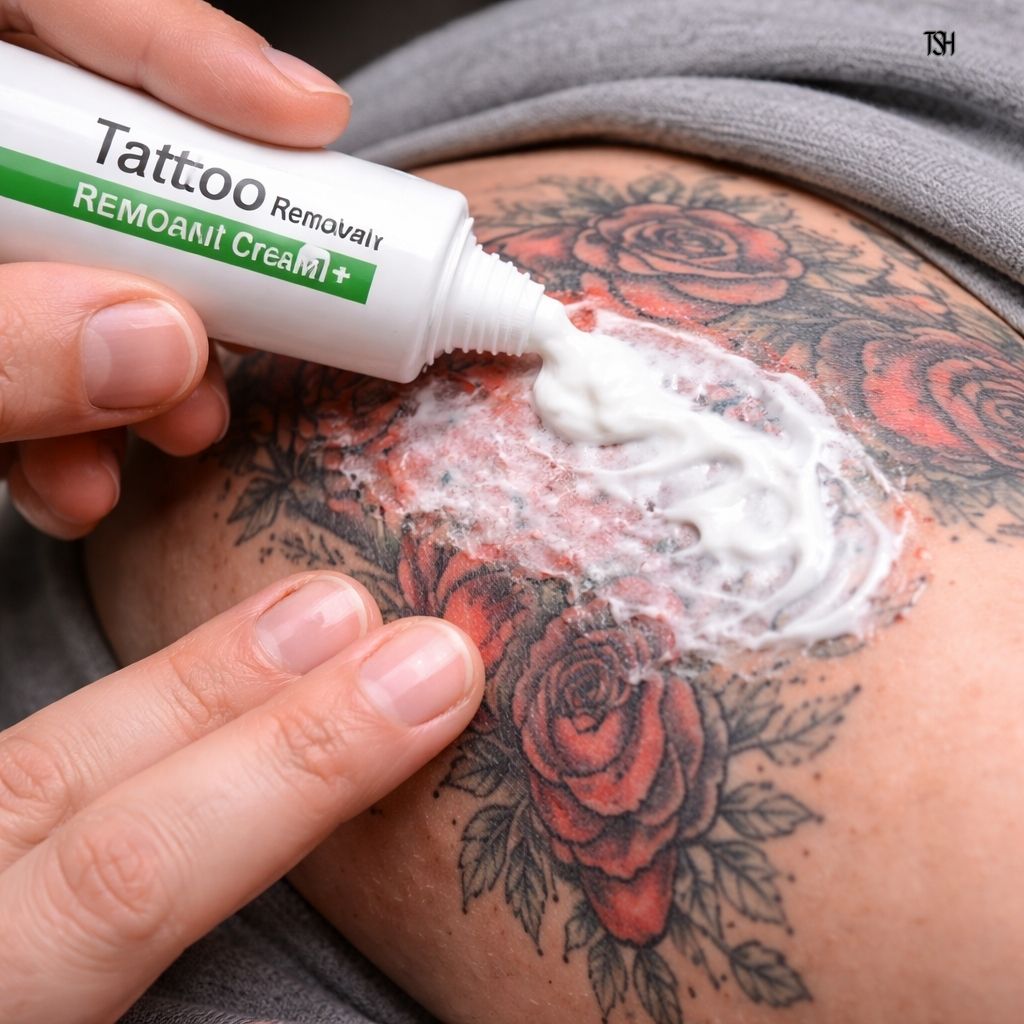
Tattoo removal creams are widely marketed as an easy solution. These products claim to fade tattoos by breaking down ink in the skin.
Why they don’t work
Most creams cannot reach the dermis where tattoo ink is stored. As a result, they only affect the surface of the skin.
Risks
Some creams contain harsh ingredients that may irritate or damage the skin. In many cases, they lead to discoloration without significantly fading the tattoo.
Home Remedies and DIY Methods
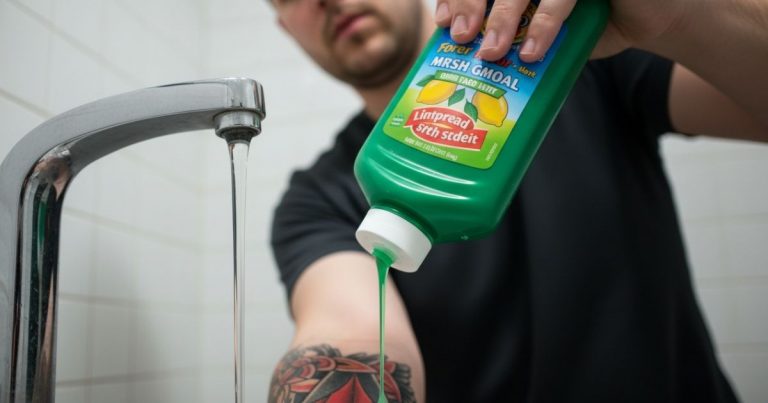
Various home remedies are often promoted online, including salt scrubs, chemical solutions, and other unverified techniques.
Common claims
These methods claim to fade tattoos naturally using everyday ingredients.
Reality
These approaches do not reach the ink layer and can harm the skin. Attempting to remove a tattoo at home can lead to infection, scarring, and long-term damage.
Safe tattoo removal should always be performed by trained professionals.
Factors That Affect Tattoo Removal Success
Not all tattoos respond the same way to removal. Several factors influence how well a tattoo fades.
Older tattoos often fade more easily because the ink has already broken down over time. Newer tattoos may require more sessions.
Ink color also matters. Black ink is easier to remove, while lighter colors can be more resistant.
Skin type and location play a role as well. Areas with better blood circulation tend to respond more effectively to treatment.
The skill of the original tattoo artist can also affect removal. Deep or uneven ink placement may require additional sessions.
Can Tattoos Be Completely Removed
In many cases, tattoos can be significantly faded or nearly removed. However, complete removal is not always guaranteed.
Some tattoos may leave behind faint shadows or slight discoloration. This depends on ink type, skin response, and the removal method used.
For people who do not want full removal, fading the tattoo enough for a cover-up is often a practical option.
What to Expect During the Process
Tattoo removal is a gradual process that requires patience. Each session breaks down more pigment, and the body clears it over time.
Spacing between sessions allows the skin to recover and improves results. Rushing the process can increase the risk of irritation or damage.
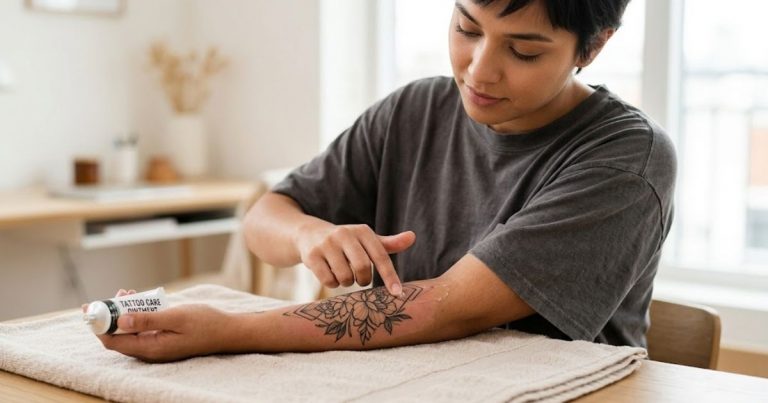
Following aftercare instructions is important. Keeping the skin clean, protected, and hydrated supports healing and improves outcomes.
Final Thoughts
Tattoo removal has become more advanced, but it still requires realistic expectations. Laser treatment remains the most effective and safest option for most people. Other methods may work in specific situations, while some should be avoided entirely.
Understanding what works and what does not helps you protect your skin and make informed decisions. If you are considering tattoo removal, consulting a qualified professional is always the best first step.