Watercolor Tattoos: Why They’re Beautiful and How They Fade Over Time
Watercolor tattoos have a soft, artistic look that stands apart from most traditional tattoo styles. Instead of bold outlines and solid fills, these designs resemble brush strokes on paper. Colors blend gently, edges appear diffused, and the overall effect feels light and expressive.
Many people are drawn to watercolor tattoos because they look like wearable paintings. They feel more creative, less rigid, and often more personal. At the same time, this delicate appearance raises an important concern. How well do watercolor tattoos hold up as the years pass?
Understanding both the beauty and the long-term behavior of this style helps you make a more informed decision before committing to it.
What Makes Watercolor Tattoos Unique
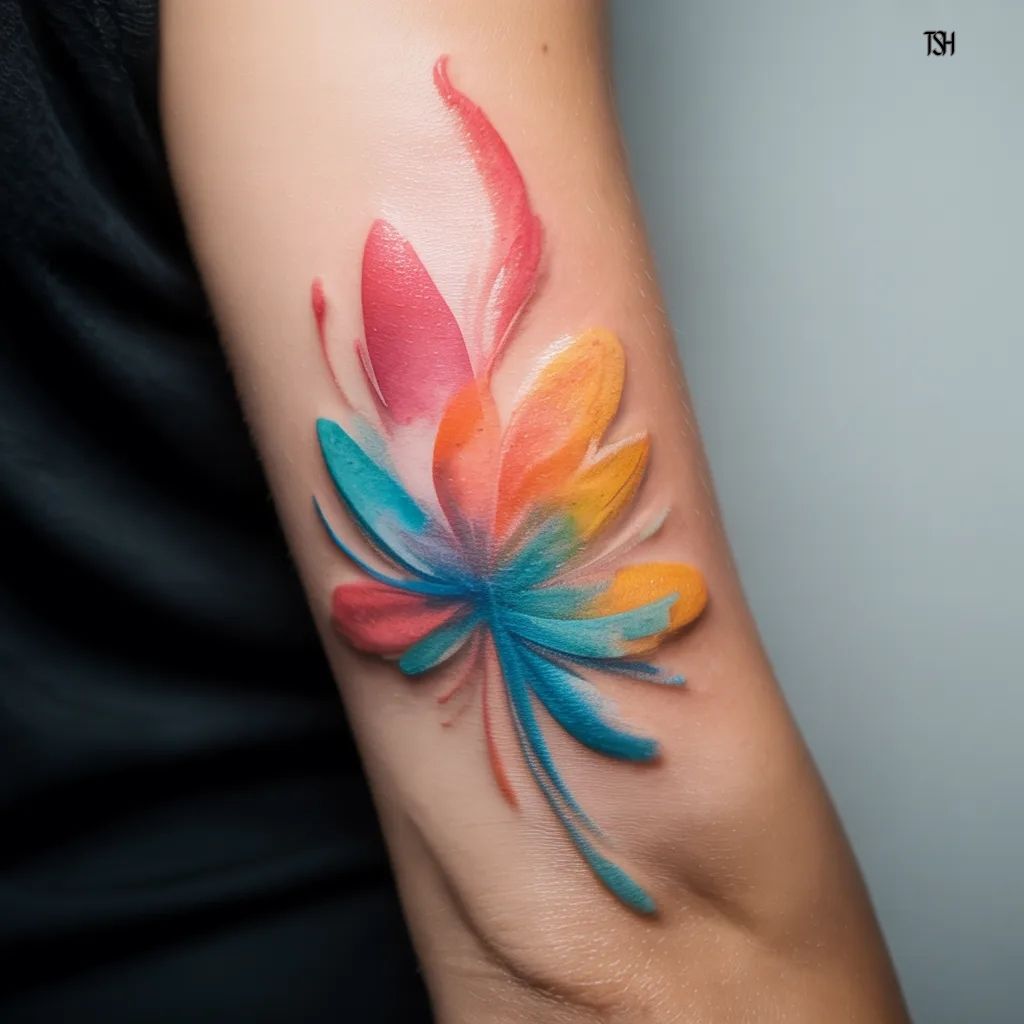
Watercolor tattoos are inspired directly by painting techniques. Artists recreate the look of diluted pigments, soft gradients, and layered color transitions on skin.
Unlike traditional tattoos, many watercolor designs do not rely on strong outlines. Some include fine line structure to support the shape, while others lean toward abstract forms that feel more fluid.
This style often uses:
- layered color blending instead of solid fills
- soft edges instead of sharp borders
- variation in tone to create movement
- minimal or hidden line work
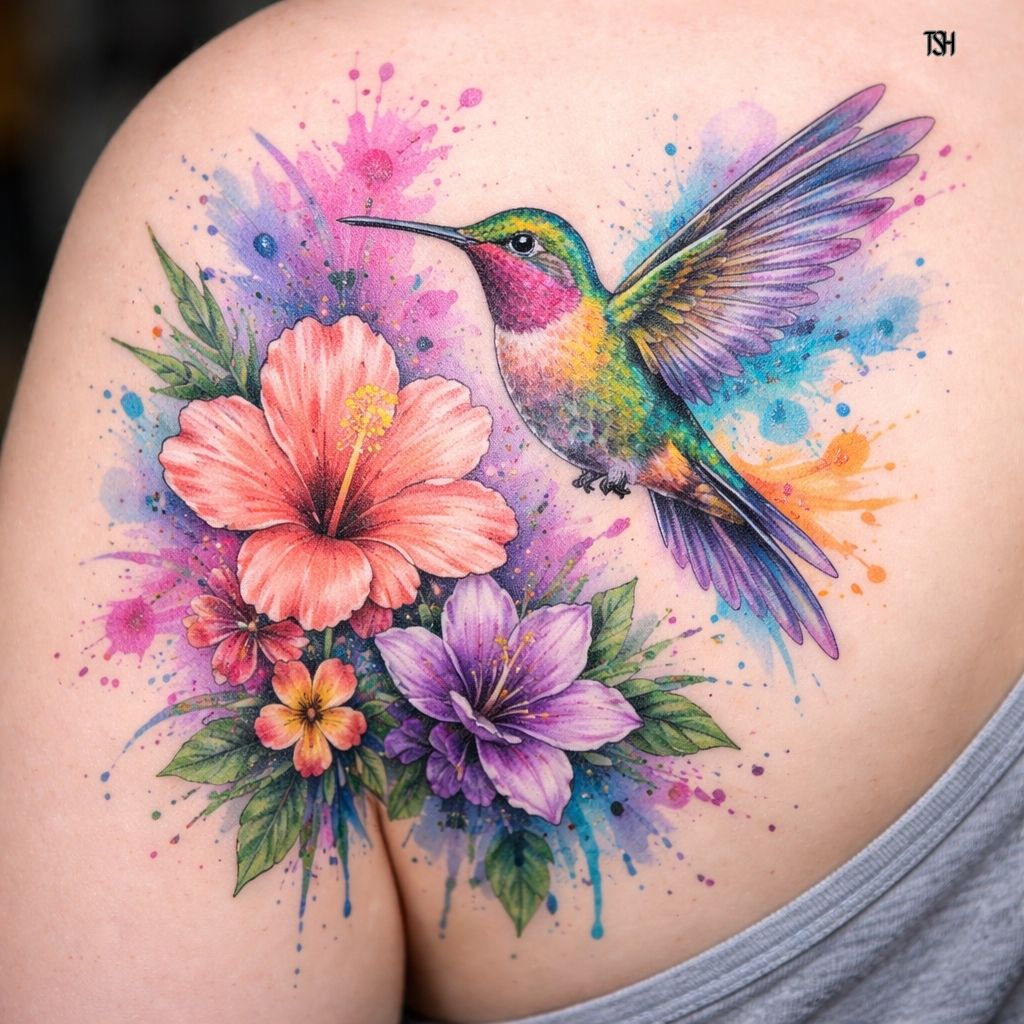
Because of this approach, watercolor tattoos often feature flowers, animals, abstract splashes, or artistic compositions that resemble ink spreading across paper.
Why Watercolor Tattoos Are So Beautiful
The beauty of watercolor tattoos comes from their ability to feel alive and dynamic.
One of the most striking qualities is movement. The color appears to flow naturally across the skin, which creates a sense of motion that many other tattoo styles do not offer. This makes each design feel less static and more organic.
Another factor is depth through color layering. Instead of flat tones, watercolor tattoos build dimension through subtle transitions. This creates a softer visual experience that feels closer to fine art.
There is also a strong sense of individuality. Because the style allows more artistic freedom, no two watercolor tattoos look exactly the same. Even similar designs can feel completely different depending on how the color is applied.
Do Watercolor Tattoos Fade Faster
Watercolor tattoos can fade differently compared to traditional tattoos, and this is where many misconceptions appear.
All tattoos fade over time. The difference with watercolor tattoos is that fading may become noticeable sooner because the design relies on soft tones rather than bold contrast.
Without strong outlines, the structure of the tattoo depends heavily on color balance. If the pigment lightens unevenly, the design may lose some definition.
However, fading speed depends on several factors. A well-applied watercolor tattoo by an experienced artist can still hold up well. Poor technique or weak pigment placement is often the real cause of fast fading.
How Watercolor Tattoos Age Over Time
As watercolor tattoos age, the changes are usually gradual rather than dramatic.
Colors may soften and become less vibrant. Bright tones can shift into lighter versions of themselves. Gradients may blend more into the surrounding skin, which can reduce contrast.
In some cases, the tattoo develops a more subtle and muted look. For many people, this softer appearance still feels attractive, especially if the design was originally balanced.
The key difference is that watercolor tattoos tend to evolve visually, while traditional tattoos tend to maintain a more consistent structure.
Factors That Strongly Affect Longevity
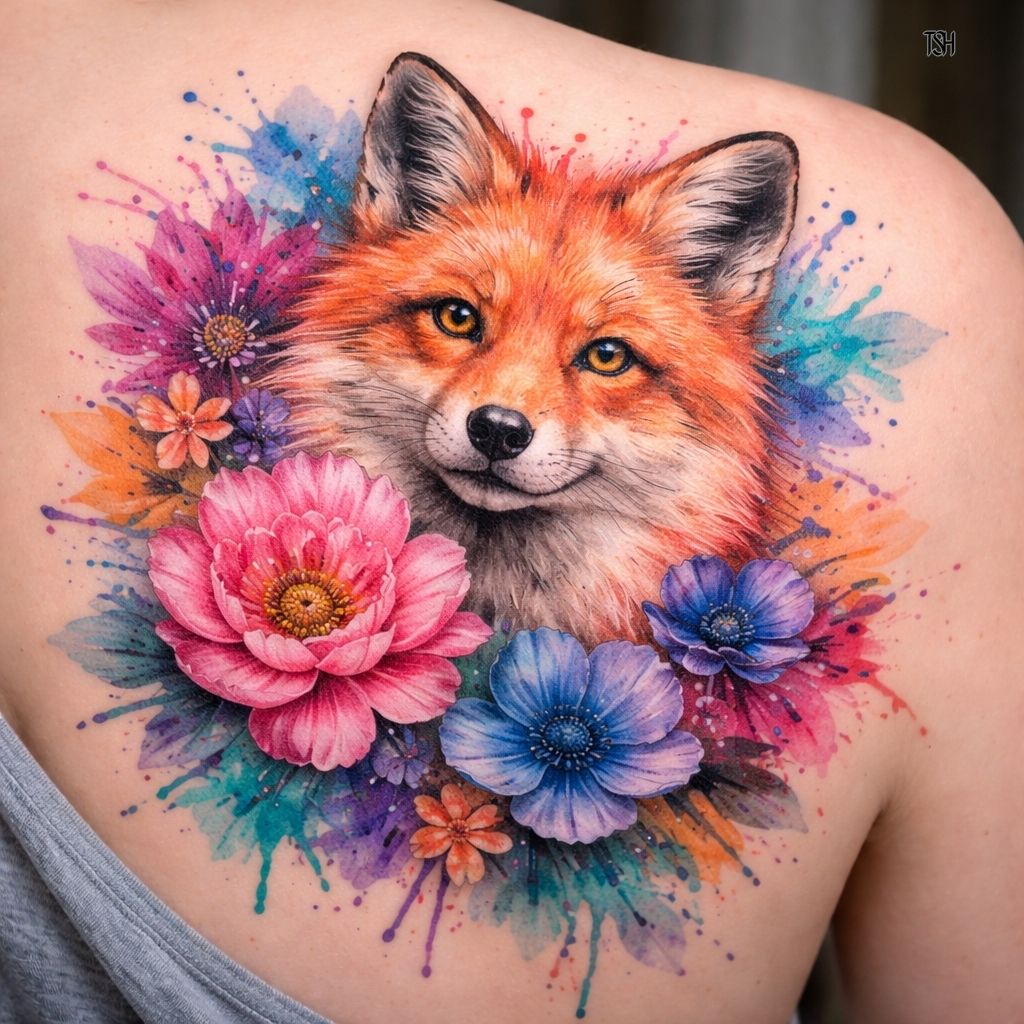
Several important factors determine how well a watercolor tattoo ages.
Artist technique
This is the most critical factor. Skilled artists understand how deep to place pigment and how to layer color for long-term stability. Poor technique often leads to uneven fading.
Tattoo placement
Areas with less movement and friction tend to preserve detail better. Tattoos on ribs, upper arms, or back often hold color longer than tattoos on hands or feet.
Sun exposure
Ultraviolet light breaks down pigment over time. Watercolor tattoos are especially sensitive because of their lighter tones.
Skin quality
Healthy, well-hydrated skin helps tattoos appear clearer. Dry or damaged skin can make colors look dull.
Ink quality
High-quality pigments maintain their intensity longer. Experienced artists usually work with reliable ink brands that age more predictably.
How to Make a Watercolor Tattoo Last Longer
Proper care makes a noticeable difference in how watercolor tattoos age.
During healing, gentle cleaning and light moisturizing help the pigment settle evenly. Avoiding irritation is essential because watercolor designs rely on smooth color transitions.
Long-term care is even more important. Daily sunscreen use is one of the most effective ways to protect color. Even short exposure to sunlight over time can affect pigment.
Keeping the skin hydrated also helps maintain clarity. Smooth skin reflects light more evenly, which improves the appearance of subtle color gradients.
Many people also choose to refresh watercolor tattoos after several years. A small touch-up can restore brightness and improve definition.
Common Mistakes to Avoid
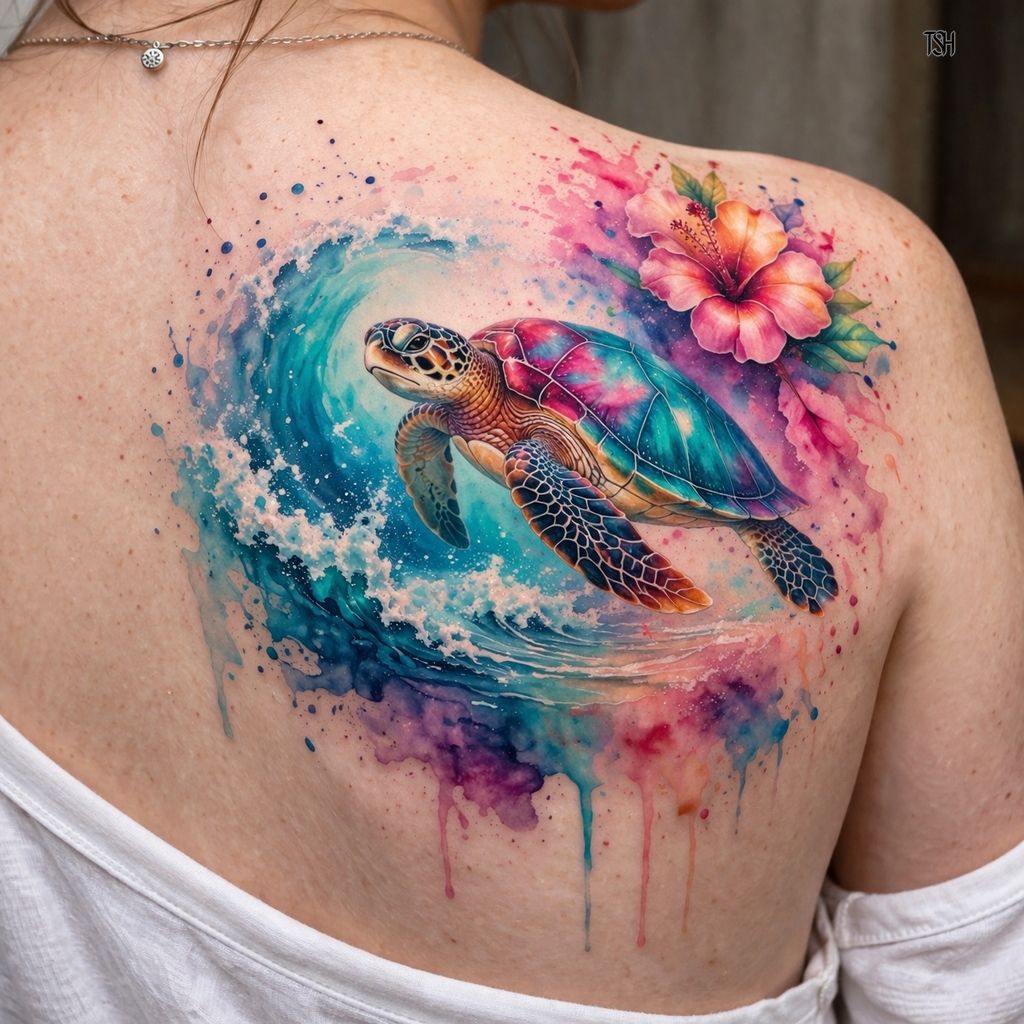
Some common habits can shorten the life of a watercolor tattoo.
Skipping sunscreen is one of the biggest mistakes. Without protection, colors fade much faster. Overexposure to water during healing can also affect pigment retention.
Choosing an inexperienced artist is another risk. Watercolor tattoos require a deep understanding of color layering, which not every artist has.
Ignoring aftercare instructions may lead to uneven healing. This can affect how the colors settle in the skin.
Avoiding these mistakes helps preserve both the beauty and structure of the tattoo.
Are Watercolor Tattoos Right for You
Watercolor tattoos work best for people who value artistic expression and soft visual detail. They are ideal for designs that focus on emotion, creativity, and movement.
However, they may not be the best choice for everyone. If you prefer bold outlines and strong structure that remains highly visible over decades, traditional styles may feel more reliable.
It is also important to consider your expectations. If you are comfortable with subtle changes over time and appreciate a more artistic look, watercolor tattoos can be a great choice.
Final Thoughts
Watercolor tattoos offer a unique combination of creativity and visual softness. Their flowing colors and painterly style make them one of the most artistic forms of tattooing.
While they may fade differently compared to more structured styles, proper technique and consistent care can help maintain their beauty. Understanding how they age allows you to choose this style with realistic expectations.
With the right artist, thoughtful placement, and long-term care, a watercolor tattoo can remain a beautiful and meaningful piece of art on your skin.