Common Tattoo Aftercare Mistakes and How to Prevent Them
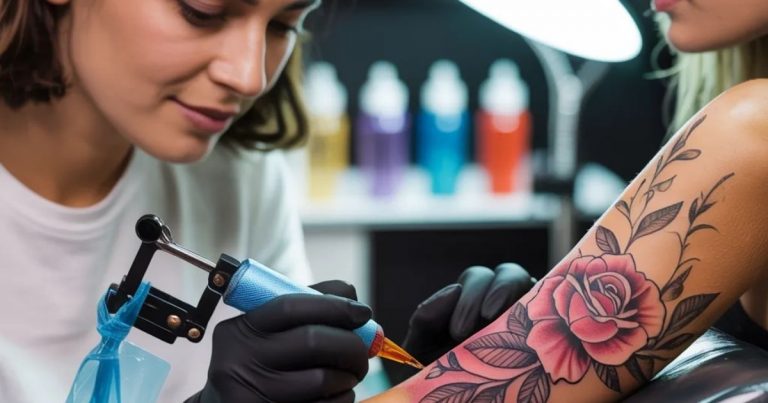
Getting a tattoo is just the beginning of your journey. The healing process plays a huge role in the final outcome of your tattoo. Without proper care, your new ink could become faded, distorted, or even infected.
Despite the excitement of showing off your fresh tattoo, it’s crucial to focus on healing to ensure it looks as vibrant as it did on day one.
While tattoo aftercare might seem simple, many people make small mistakes that can affect the healing process. In this guide, we’ll explore common healing mistakes and how to avoid them, so you can keep your tattoo looking sharp and fresh for years to come.
Common Tattoo Healing Mistakes and How to Avoid Them
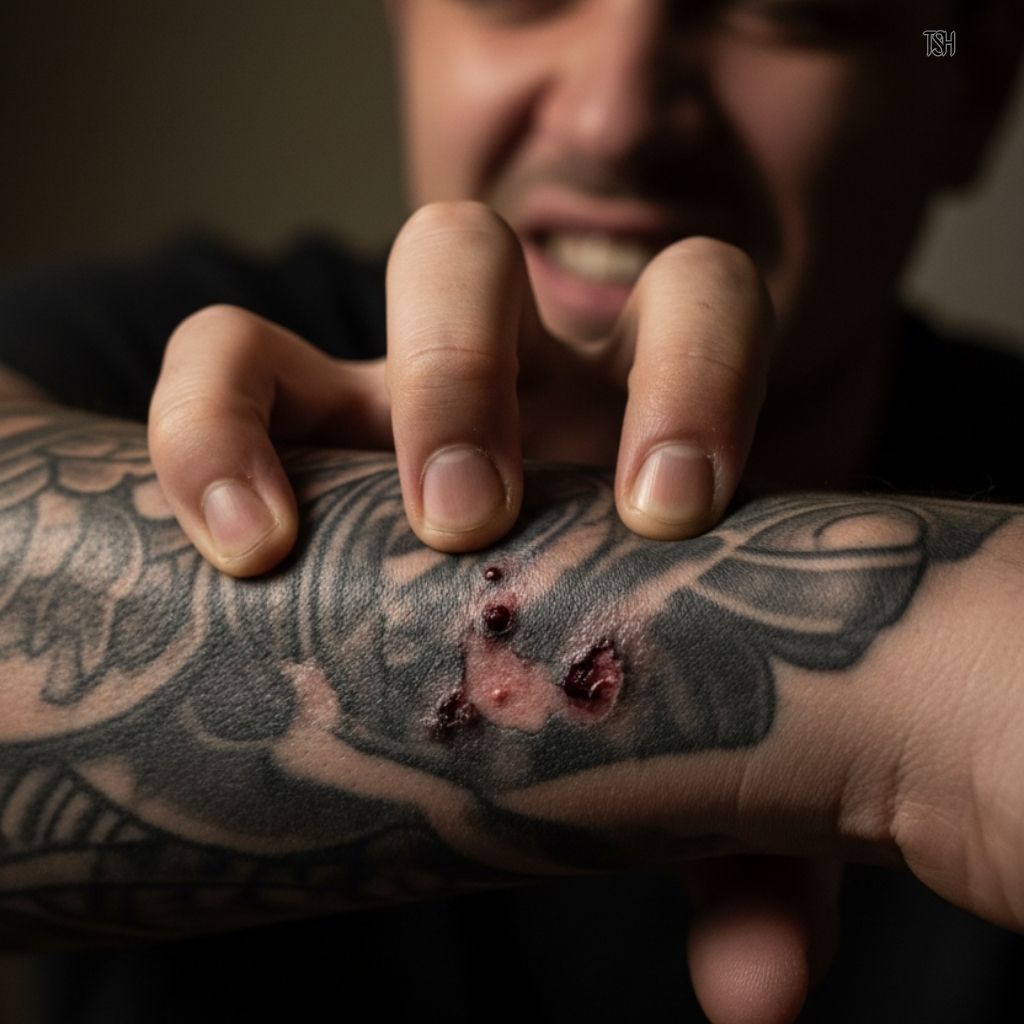
1. Ignoring Aftercare Instructions
One of the most common mistakes people make is not following their tattoo artist’s aftercare instructions. Each artist has their own preferred method of healing, and the aftercare they recommend is tailored to the specific tattoo they’ve done.
Why this happens: Tattoo artists have years of experience and know how different tattoos heal. Sometimes people think they know best or don’t take the instructions seriously enough.
How to avoid it: Always listen carefully to your artist’s advice on how to care for your tattoo. Don’t skip any steps and make sure you follow the timeline for cleaning, moisturizing, and keeping the tattoo protected. If you’re unsure about something, don’t hesitate to reach out to the artist for clarification.
2. Picking or Scratching the Tattoo
As your tattoo heals, it will naturally start to itch, peel, and flake. However, it’s important to resist the urge to pick at the tattoo or scratch it. Doing so can cause permanent damage, including scarring, uneven healing, and loss of color.
Why this happens: Itching is a natural part of the healing process. Your skin is healing and regenerating, which can cause discomfort. Picking or scratching is often a reflex, especially if the tattoo is located in an area that rubs against clothing or other surfaces.
How to avoid it: If your tattoo itches, gently tap the area with your fingers instead of scratching. You can also use a cold compress to soothe the itching. Keep the tattoo moisturized to help reduce dryness and irritation.
3. Over-moisturizing the Tattoo
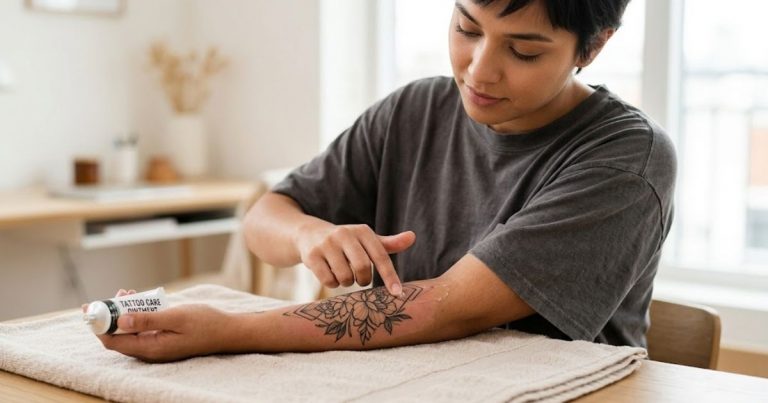
Moisturizing is essential to prevent dryness and cracking, but over-moisturizing can cause problems. Applying too much ointment or lotion can clog the pores and prevent the skin from properly breathing and healing.
Why this happens: People often think that more is better, especially with aftercare products. Applying a thick layer of ointment can make the tattoo look shiny, but it can also trap dirt and bacteria, potentially leading to infection or irritation.
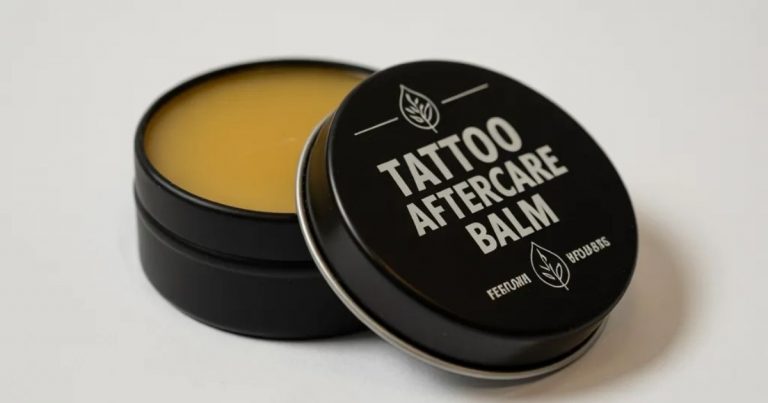
How to avoid it: Apply a thin layer of fragrance-free tattoo ointment or lotion to the tattoo. Your skin should absorb the moisture without it looking greasy. When in doubt, less is more.
4. Exposing Your Tattoo to Direct Sunlight

Sun exposure is one of the leading causes of premature tattoo fading. UV rays break down the tattoo ink and can cause the design to lose vibrancy over time. During the healing process, your tattoo is especially vulnerable to sun damage.
Why this happens: People often forget about the importance of sun protection or simply don’t realize how damaging direct sunlight can be on fresh tattoos.
How to avoid it: Keep your tattoo covered or protected from the sun, especially during the first few weeks. Once the tattoo is healed, always apply a sunscreen with SPF 30 or higher to prevent fading. Try to avoid long periods of sun exposure, and never tan the tattoo.
5. Soaking the Tattoo in Water
Water can be great for keeping your skin hydrated, but soaking a fresh tattoo is a big no-no. This includes baths, hot tubs, and swimming pools, all of which can introduce bacteria and slow down the healing process.
Why this happens: Some people are used to soaking in water and may not realize that soaking can interfere with the tattoo healing process, particularly if the tattoo is still in the scabbing or peeling stage.
How to avoid it: For the first two to three weeks, avoid soaking your tattoo in water. Quick showers are fine, but don’t let the tattoo be submerged. Keep the tattoo out of the pool, ocean, or hot tubs until it’s fully healed.
6. Wearing Tight Clothing Over the Tattoo
Wearing tight clothing over a healing tattoo can lead to friction and irritation, which can cause scabbing, infection, and poor healing. This is especially true for tattoos on areas like the wrists, elbows, or thighs.
Why this happens: Tight clothing rubs against the tattoo, causing unnecessary friction, which can damage the tattoo and prolong the healing process.
How to avoid it: Wear loose-fitting clothing during the healing phase, especially in areas where the tattoo is located. If you’re getting a tattoo on an area where clothing tends to rub, like your inner arm or lower back, try to keep it covered with a loose bandage until it’s healed.
7. Using Harsh Cleaning Products
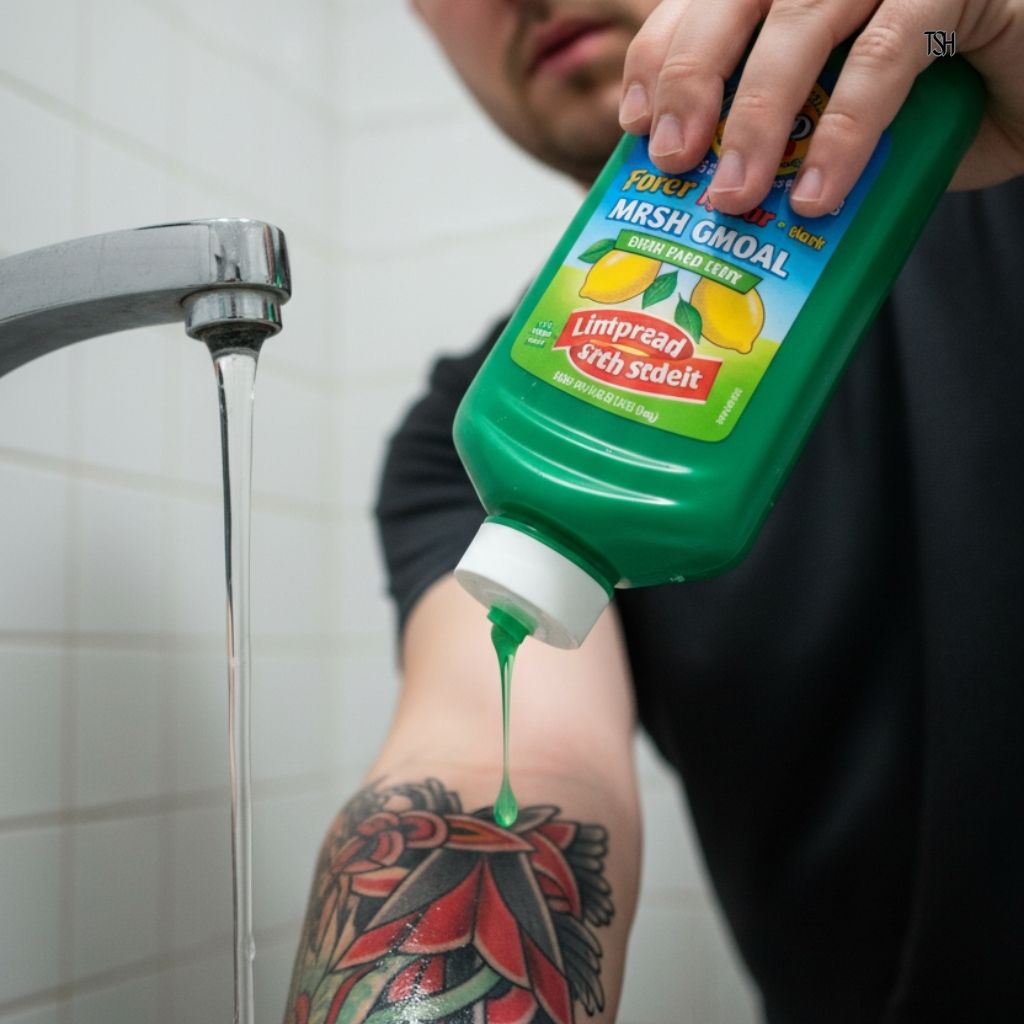
When cleaning your tattoo, it’s important to avoid using products with fragrances or harsh chemicals, such as antibacterial soap or alcohol-based cleaners. These can irritate the tattooed skin and slow down the healing process.
Why this happens: Some people use strong soaps thinking they’ll keep the tattoo cleaner, but these can strip the skin of natural oils and lead to dryness, irritation, or even infection.
How to avoid it: Stick to a mild, unscented soap specifically recommended for tattoos. Gently wash the tattoo using your hands, not a washcloth, to avoid irritation.
8. Skipping Tattoo Touch-ups
Some tattoos may fade or lose detail during the healing process, especially if there were issues with the healing, like scabbing or infection. Skipping touch-ups can result in an uneven or faded tattoo.
Why this happens: Some people don’t realize that tattoos may need touch-ups, especially if the artist didn’t apply enough ink or if healing complications arose.
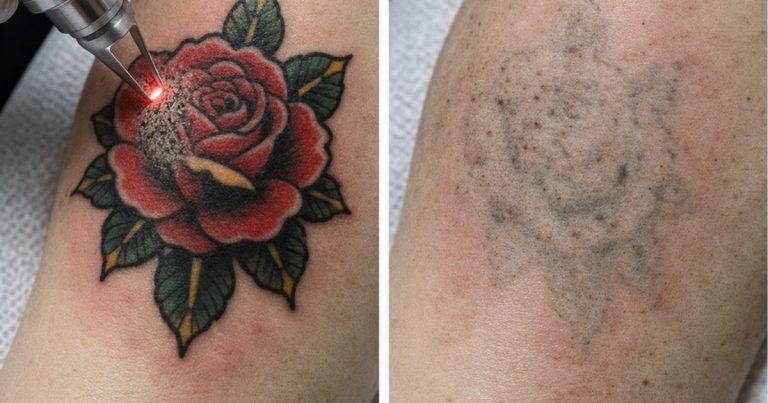
How to avoid it: If you notice any areas of your tattoo that are faded or unclear, schedule a touch-up session with your artist after your tattoo has fully healed. This ensures the design is crisp and vibrant.
Final Thoughts
Proper tattoo aftercare is crucial for ensuring your tattoo heals perfectly and remains as beautiful as the day you got it. By following the right steps and avoiding common mistakes, you can promote faster healing, prevent infections, and make sure your tattoo stays vibrant for years to come.
Remember to follow the advice your tattoo artist gives you, as they have years of experience in ensuring tattoos heal well. If you’re ever unsure about the healing process, don’t hesitate to reach out to your artist for guidance.