Tattoo Scabbing and Peeling: What’s Normal and What’s Not?
Getting a new tattoo is exciting. The colors look bright, the lines are crisp, and the design finally becomes part of your skin. A few days later, the tattoo may start to look dry, flaky, or slightly rough. Many people worry at this stage and assume something has gone wrong.
In reality, scabbing and peeling are natural parts of the tattoo healing process. Your skin has experienced a controlled injury during tattooing, and it now needs time to repair itself. As the outer layer heals, the skin may form small scabs and later begin to peel.
Understanding what is normal and what signals a problem helps protect your tattoo and prevents unnecessary damage during healing.
Why Tattoos Scab and Peel
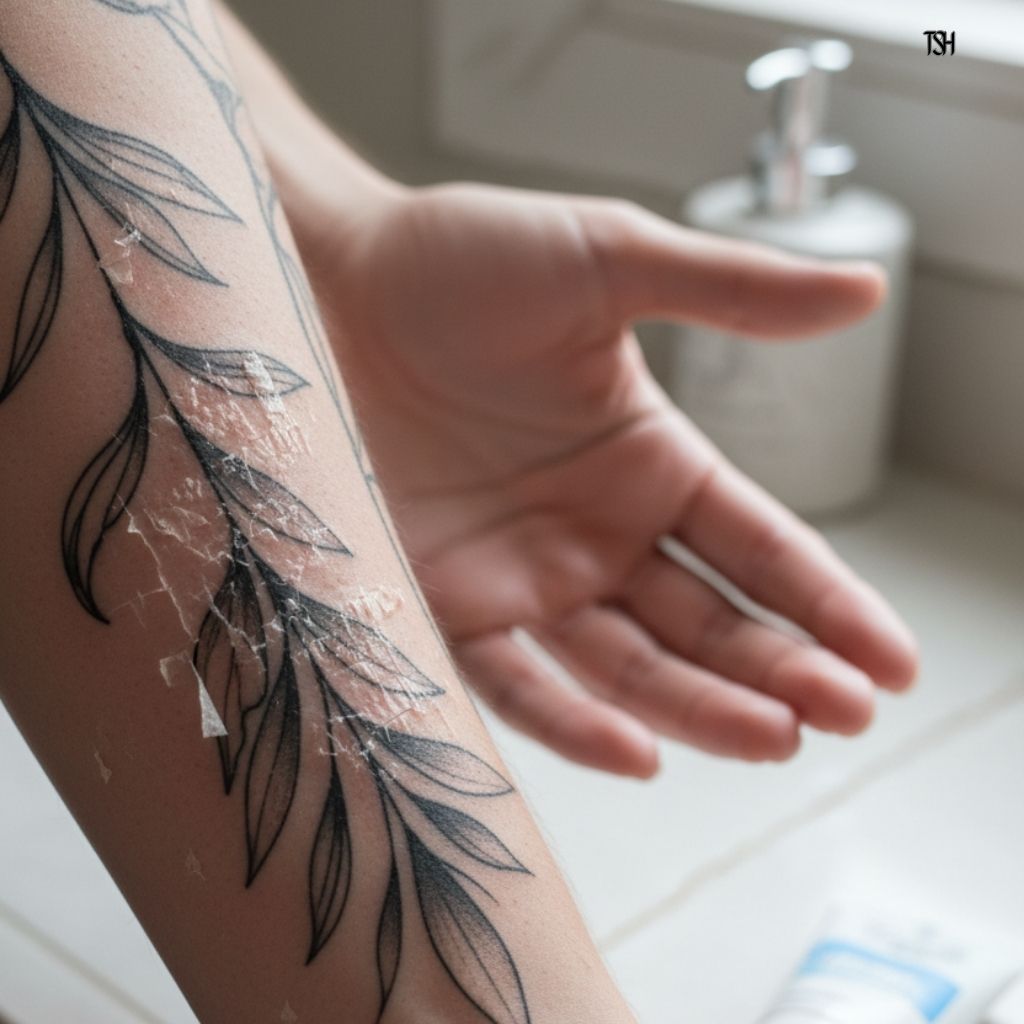
When a tattoo needle deposits ink into the skin, the body immediately begins its repair process. The immune system sends fluids and cells to the area to protect the wound and rebuild damaged tissue.
During this process:
- The skin may produce small scabs.
- The top layer of skin begins to dry.
- Old skin cells gradually shed.
Peeling occurs because the damaged outer layer of skin is being replaced with fresh skin underneath. This stage is similar to what happens after a mild sunburn.
For most people, scabbing and peeling appear between day three and day seven after getting the tattoo.
What Normal Tattoo Scabbing Looks Like
Normal tattoo scabbing is usually light and thin. The scabs are often small and follow the lines of the tattoo design.
Signs of normal scabbing include:
- Thin, soft scabs
- Small areas of dry skin
- Mild tightness in the tattooed area
- Slight itching
A properly healing tattoo should not develop thick, heavy scabs. If the scabs are minimal and the skin remains flexible, the healing process is usually progressing well.
Keeping the tattoo clean and lightly moisturized helps reduce excessive scabbing.
What Normal Tattoo Peeling Looks Like
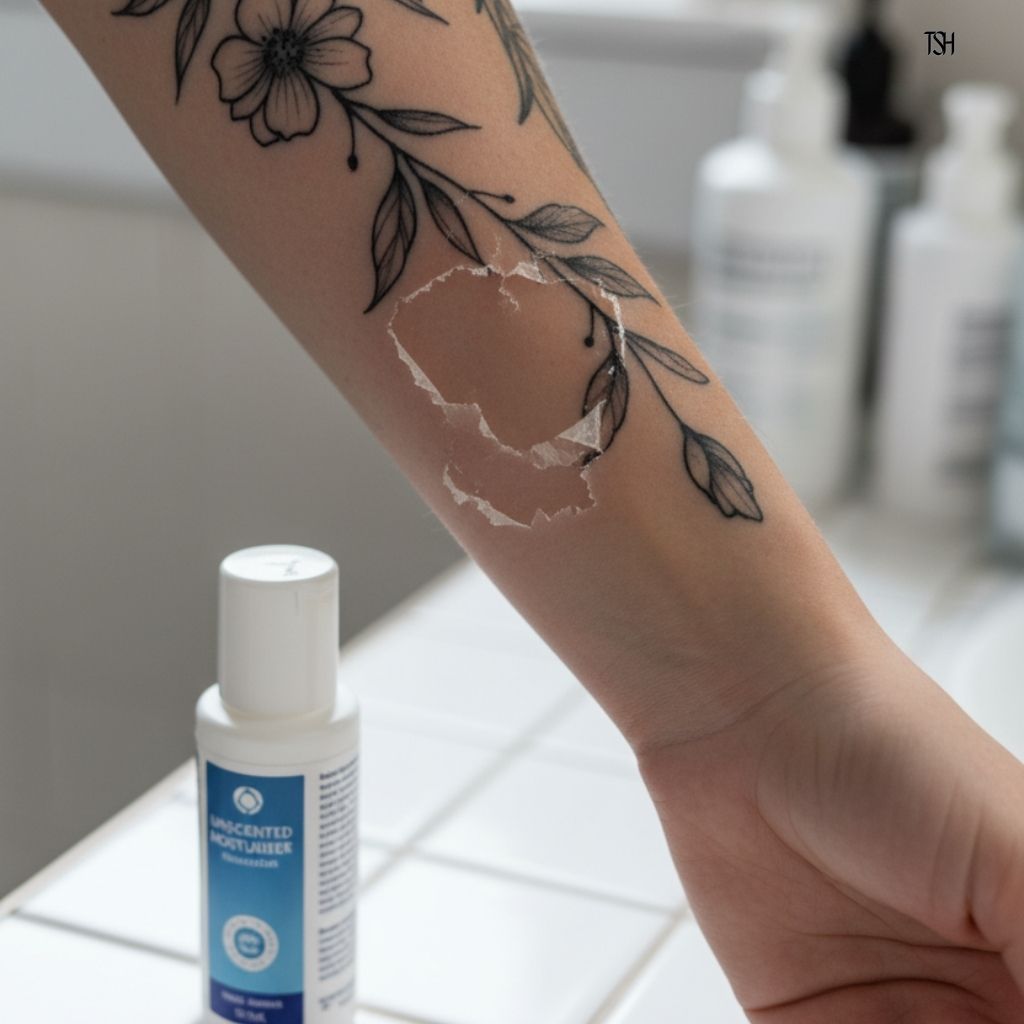
After the scabbing stage, the tattoo will begin to peel. This stage may look alarming if you are not expecting it, but it is completely normal.
Peeling often appears as:
- Flaky skin
- Small pieces of skin lifting off
- A dull or cloudy look on the tattoo surface
During peeling, the tattoo may appear less vibrant. This happens because a thin layer of healing skin is covering the ink. As the skin continues to regenerate, the tattoo gradually regains its brightness.
Peeling usually lasts three to seven days, depending on skin type and tattoo size.
What Is Not Normal During Healing
Although scabbing and peeling are normal, certain signs may indicate that something is wrong.
Watch for these warning signs:
Thick or heavy scabs
Large, thick scabs may form if the tattoo was overworked or if the skin became too dry. Heavy scabs increase the risk of ink loss.
Intense redness that spreads
Mild redness is common during the first days. If redness spreads or becomes darker, it may indicate irritation or infection.
Severe swelling or pain
Some swelling is expected right after the tattoo session. Pain that increases after several days should not be ignored.
Yellow or green discharge
Fluid that looks yellow, green, or has a strong odor can signal infection. This requires medical attention.
If any of these symptoms appear, it is best to consult your tattoo artist or a healthcare professional.
Common Mistakes That Affect Tattoo Healing
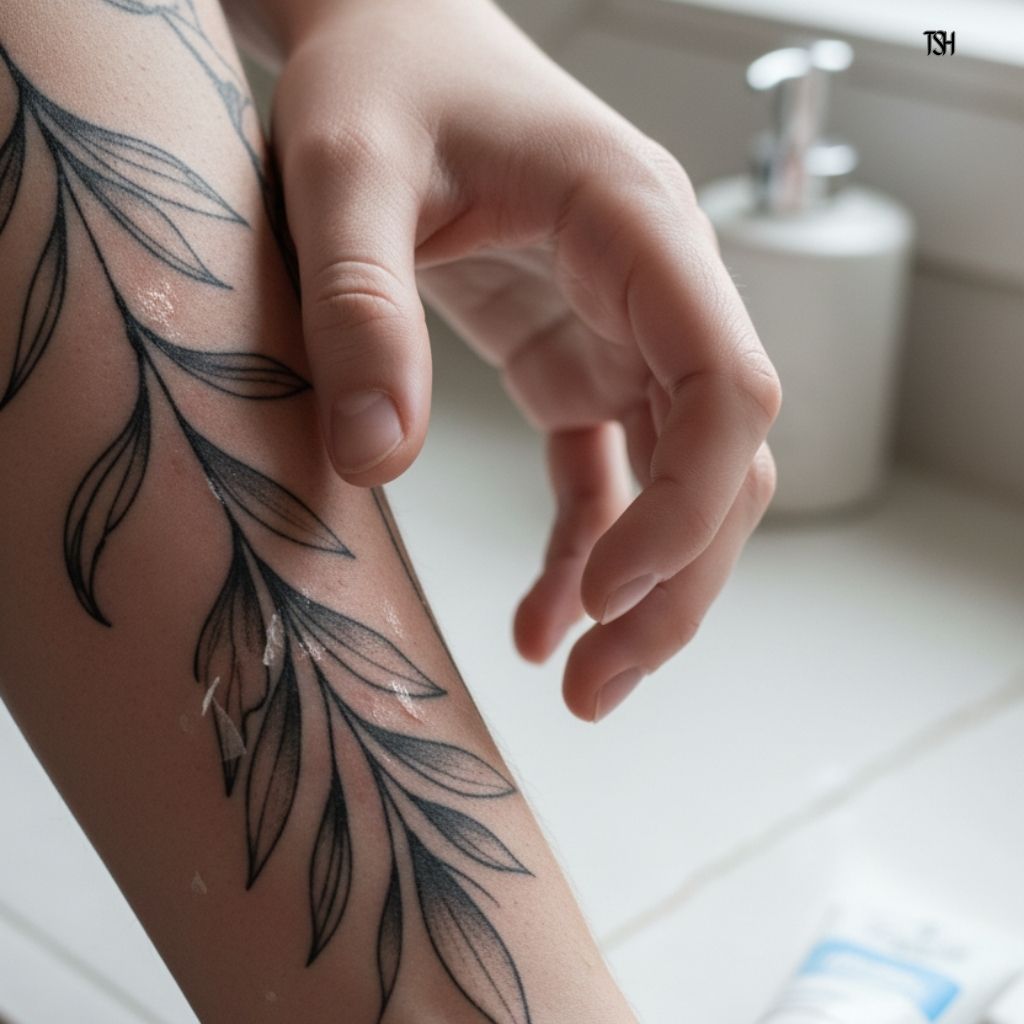
Many healing problems stem from simple aftercare mistakes.
Picking or scratching the tattoo
Picking at scabs can pull ink out of the skin and create patchy areas in the design. It may also lead to scarring.
Over moisturizing
Applying too much ointment prevents the tattoo from breathing and can slow the healing process.
Ignoring hygiene
Failing to wash the tattoo properly allows bacteria to accumulate on the skin.
Excess sun exposure
Sunlight can damage fresh tattoos and cause fading or irritation during healing.
Avoiding these mistakes helps the tattoo heal evenly and keeps the design sharp.
How to Support Healthy Tattoo Healing
A few simple habits make a big difference during healing.
Keep the tattoo clean
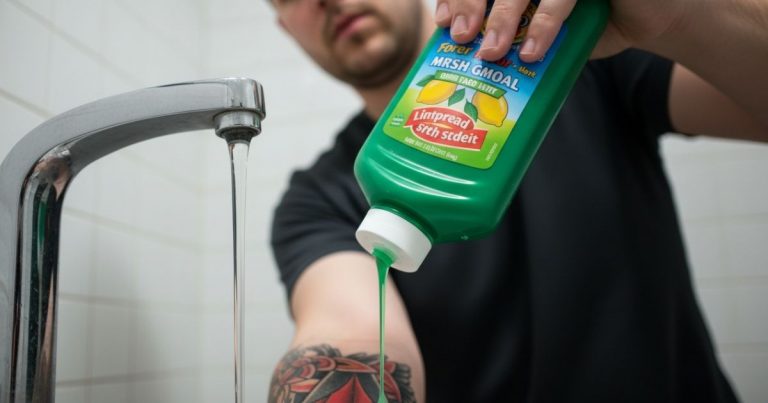
Wash the tattoo gently with mild unscented soap and lukewarm water. Pat the skin dry using a clean paper towel.
Apply a light moisturizer
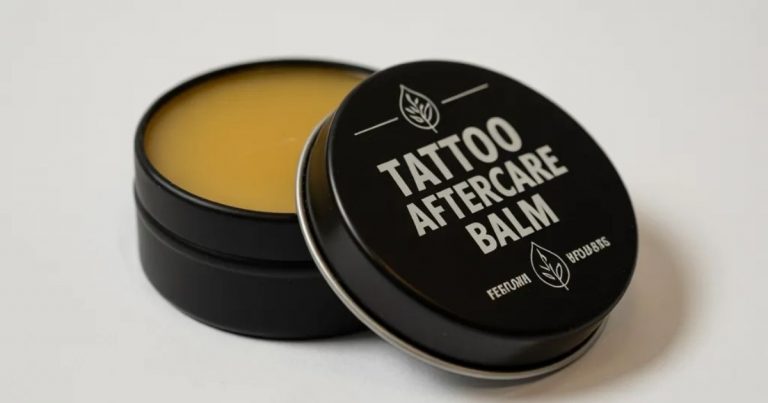
Use a thin layer of fragrance-free lotion or tattoo aftercare cream. The skin should feel hydrated but not greasy.
Wear loose clothing
Loose fabric reduces friction and allows the tattoo to breathe.
Avoid swimming and soaking
Pools, hot tubs, and long baths should be avoided until the tattoo fully heals.
Protect the tattoo from the sun
Direct sunlight can irritate healing skin and affect pigment quality.
These simple steps help the tattoo recover smoothly.
How Long Tattoo Peeling Usually Lasts
Most tattoos finish peeling within one to two weeks. Larger tattoos or areas with thicker skin may take slightly longer.
Even after peeling stops, deeper layers of the skin continue to heal for several weeks. During this time, the tattoo may look slightly dull or dry.
After about four weeks, the tattoo usually reaches its final healed appearance.
Regular moisturizing and sun protection help maintain the tattoo’s clarity long term.
When to Contact Your Tattoo Artist
Tattoo artists often provide valuable guidance during the healing process. If something looks unusual, reaching out to the artist can help clarify if the tattoo is healing properly.
You may want to contact your artist if:
- Scabs become thick or painful
- The tattoo develops uneven color after healing
- Redness persists longer than several days
- You notice unusual swelling
Professional advice early in the process can prevent long-term problems.
Final Thoughts
Scabbing and peeling are completely normal parts of tattoo healing. They show that the skin is repairing itself and replacing damaged layers. Understanding what to expect helps reduce anxiety during the healing stage and protects the quality of your tattoo.
Patience and proper aftercare are the keys to good results. Keeping the tattoo clean, lightly moisturized, and protected from irritation allows the design to settle beautifully into the skin.
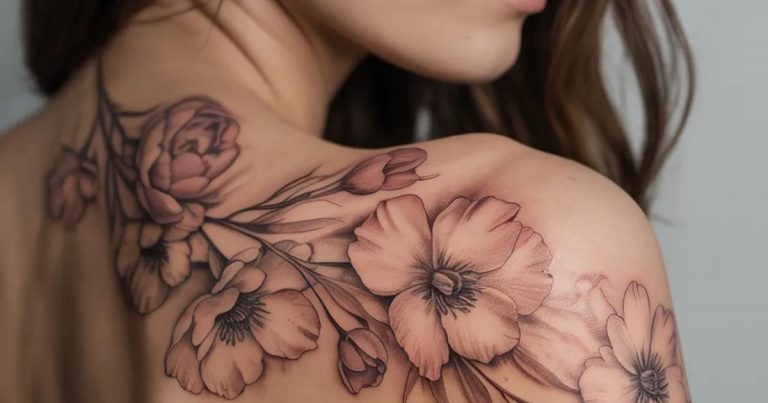
With the right care, the temporary peeling phase quickly passes, leaving you with a tattoo that looks vibrant and well-healed.