Tattoos and Pregnancy: What You Need to Know
Getting a tattoo is a personal choice, and for many people, it’s a way to express themselves and commemorate special moments. But if you’re pregnant or planning to become pregnant, you might have questions about how tattoos and pregnancy mix.
Does pregnancy affect your existing tattoos? Is it safe to get a tattoo while pregnant? Can the tattooing process or aftercare impact your skin during pregnancy?
Tattooing is generally safe, but pregnancy introduces changes to your body that can affect the healing process and how your tattoo looks over time.
In this article, we’ll break down the science behind tattoos and pregnancy and explore the key points you should keep in mind if you’re considering getting inked during this special time in your life.
Can You Get a Tattoo While Pregnant?
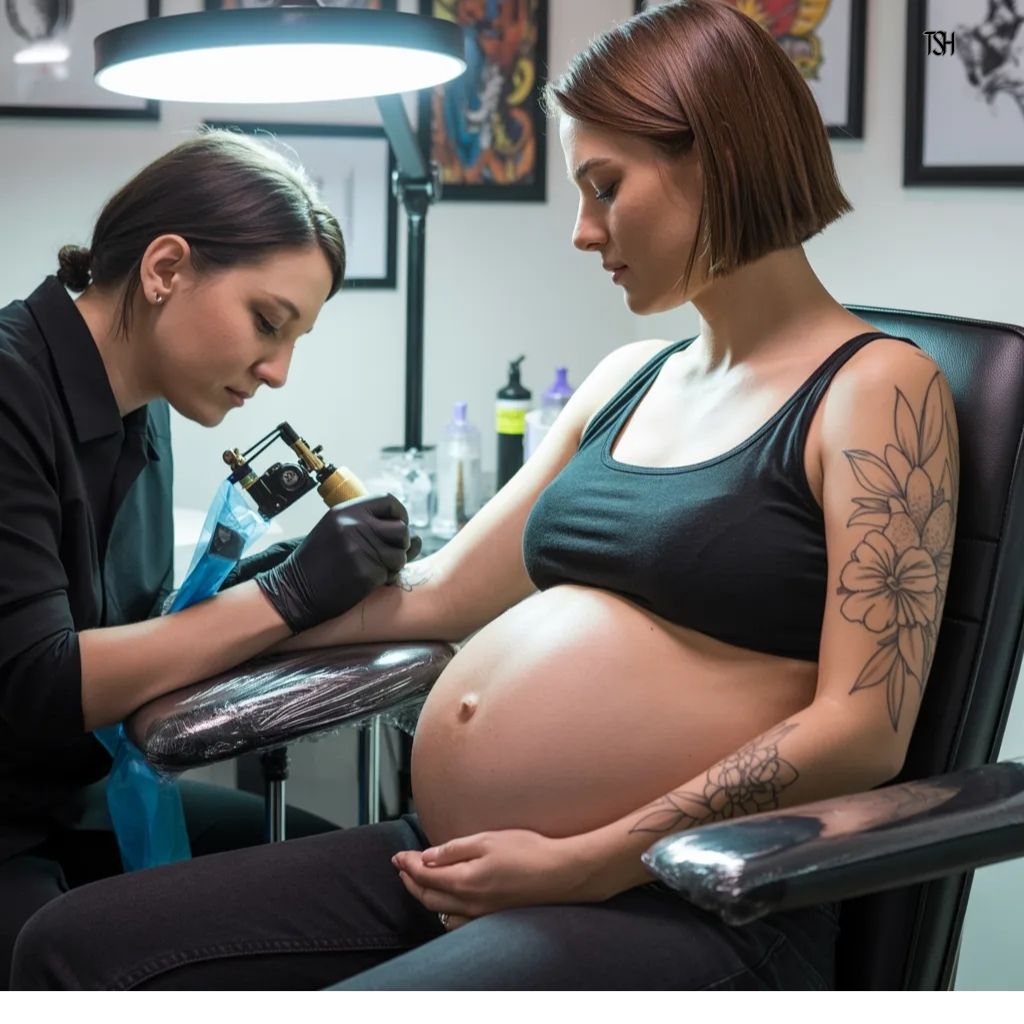
The first thing to understand is that getting a tattoo while pregnant is generally safe, but it comes with a few important considerations. Tattooing during pregnancy involves inserting ink into the dermis, the second layer of skin, which does not directly affect the fetus. However, certain precautions must be taken to ensure both your health and your baby’s health.
1. Infection Risk
The most significant risk during pregnancy is infection. Since the tattooing process involves breaking the skin, if proper sanitation practices are not followed, you may risk infection.
Infections such as cellulitis can develop, causing complications that could affect both you and your baby. The American Academy of Dermatology recommends using a certified tattoo studio with sterile needles and equipment to minimize these risks (AAD).
While it is rare, infection can lead to serious consequences, including miscarriage or preterm labor. Therefore, it’s important to ensure that the tattoo artist follows strict hygiene standards.
2. Hormonal Changes and Skin Sensitivity
Pregnancy triggers various hormonal changes in your body, which can make your skin more sensitive. This might result in a higher pain tolerance during the tattoo process, but it could also cause increased sensitivity to certain inks or lotions.
Studies have shown that increased blood flow during pregnancy can make the skin more sensitive to stimuli, which may lead to more discomfort during the tattooing process (NCBI).
Some women also experience a condition called “pregnancy mask” (melasma), where dark patches appear on the face due to hormonal fluctuations. These changes could impact how the tattoo appears if it’s placed in a sensitive area, like the face or neck.
3. Ink Safety and Absorption
While there is no definitive evidence showing that tattoo ink harms a fetus directly, some inks contain heavy metals or other chemicals that could potentially pose a risk.
Most reputable tattoo artists use high-quality, regulated inks, but it’s always a good idea to check the ingredients and ensure the product is safe.
It’s important to note that FDA-approved inks are usually free from harmful substances. Still, pregnant women should consult with their doctor or dermatologists if they have concerns about the ingredients in tattoo inks (FDA).
How Pregnancy Affects Existing Tattoos
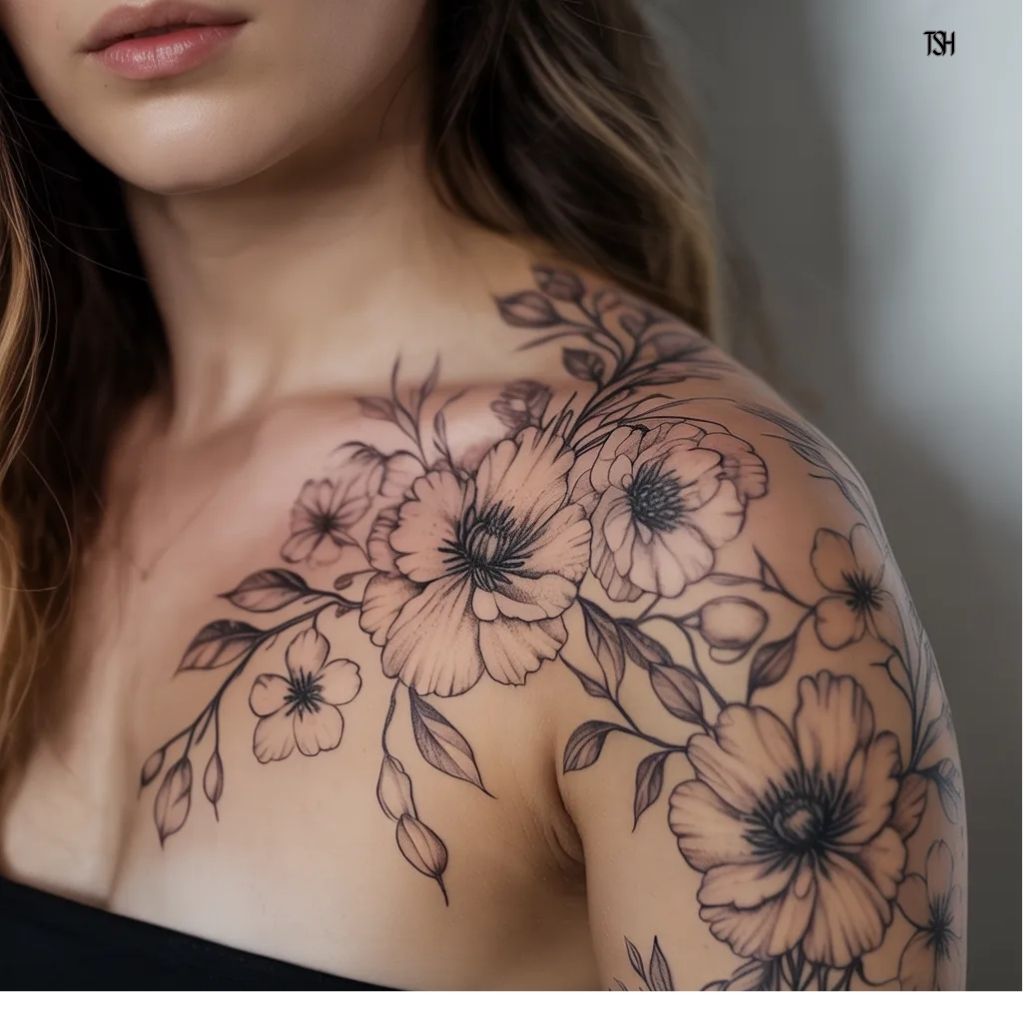
Pregnancy brings rapid and significant changes to your body, and those changes can affect the appearance of your tattoos. Areas of the skin that stretch, such as the belly, thighs, and breasts, may distort existing tattoos as the skin stretches to accommodate the growing baby.
1. Stretch Marks and Distortion
As your belly grows, the skin stretches to accommodate the baby. Research shows that more than 90% of pregnant women experience stretch marks, which can lead to stretching or distorting tattoos in those areas (NIH).
If your tattoo is located on your abdomen or breasts, this may affect the tattoo’s shape and, in some cases, cause the ink to look blurred or faded.
2. Skin Pigmentation Changes
Pregnancy hormones can trigger pigmentation changes. Some women develop a dark line down the middle of their abdomen (linea nigra) or dark patches on their face (melasma) due to hormonal fluctuations.
These skin changes may impact the appearance of tattoos, especially in lighter or more detailed designs.
For example, if your tattoo is on the abdomen, it might be affected by skin darkening. While melasma tends to fade after pregnancy, the changes in skin tone may temporarily affect how a tattoo looks.
Aftercare for Tattoos During Pregnancy
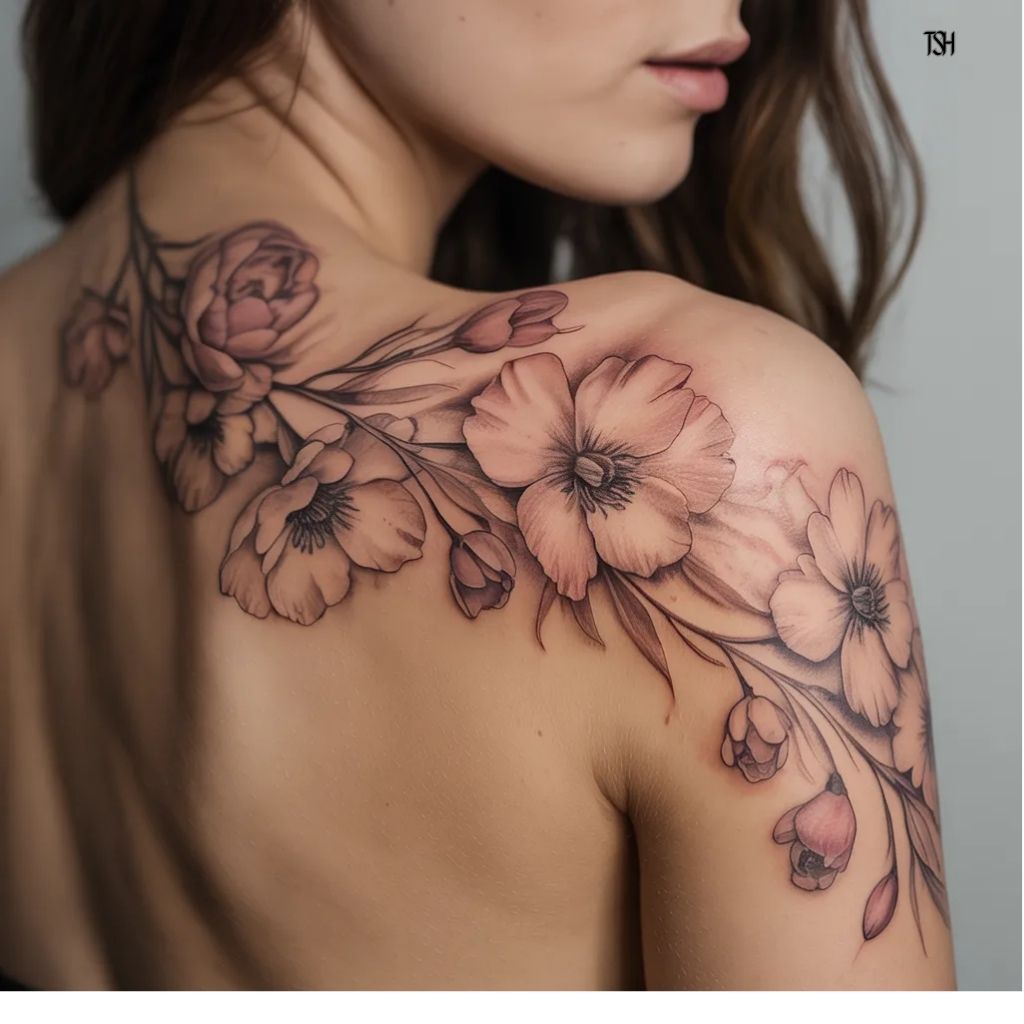
Proper aftercare is crucial for any tattoo, but it becomes even more important when you’re pregnant. Because pregnancy can make the skin more sensitive, it’s important to be cautious and gentle with your healing tattoo.
1. Cleanliness and Hydration
During the healing process, your tattoo will go through several stages. Keeping the tattoo clean and moisturized is essential to avoid infection and ensure proper healing.
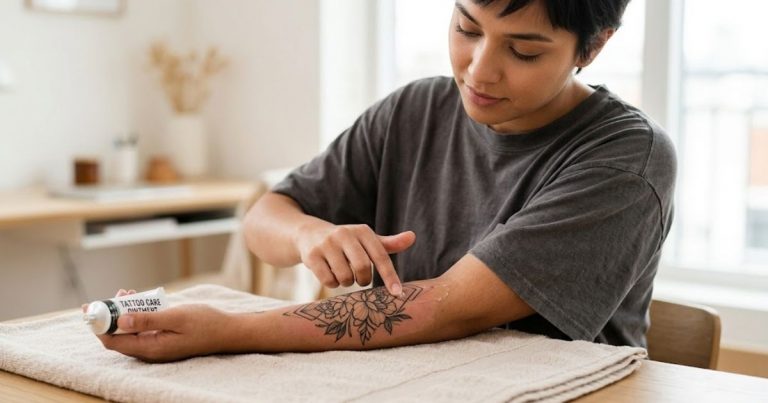
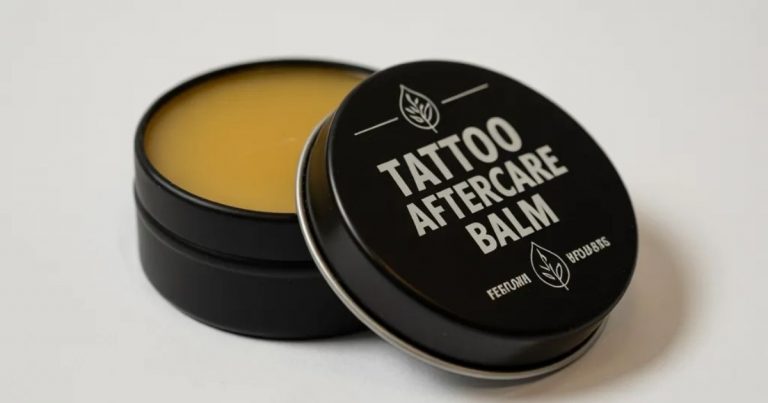
Use mild soap, lukewarm water, and fragrance-free lotions or ointments to avoid skin irritation. Hydrated skin also helps the tattoo settle more evenly.
Doctors often recommend using unscented lotions, such as Aquaphor Healing Ointment or Bepanthen, to promote early healing. These products promote moisture without introducing irritants (AAD).
2. Avoiding Sun Exposure
Sun exposure can damage your healing tattoo and cause the ink to fade prematurely. Pregnancy hormones also make the skin more sensitive to UV rays, so it’s important to avoid direct sun exposure during healing. After your tattoo has healed, always apply sunscreen with SPF 30 or higher to protect it.
Tattoos After Pregnancy
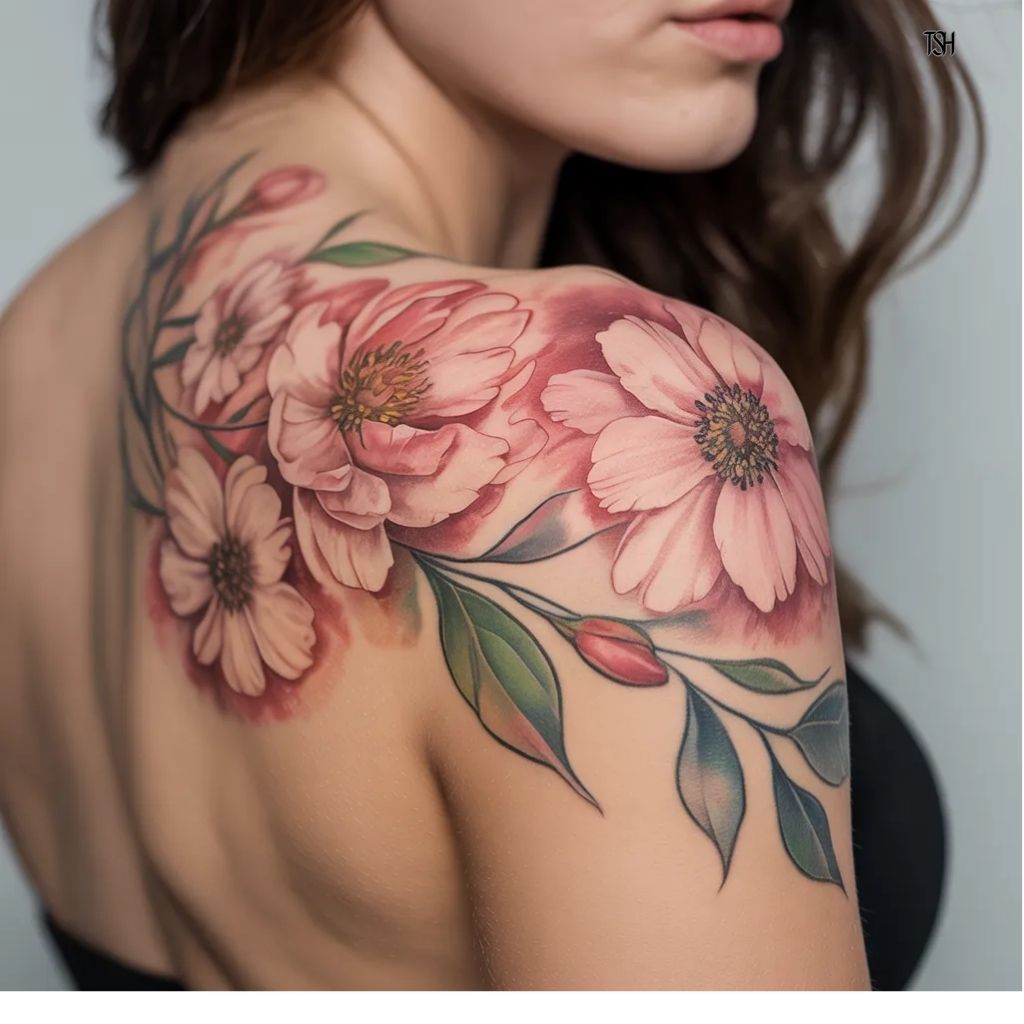
If you’re considering getting a new tattoo after pregnancy or are thinking about touching up an existing one, there are a few things to keep in mind:
1. Wait for Full Healing
After childbirth, your body needs time to heal and recover. If you had a C-section or other complications, you should wait until the body is fully healed before getting tattooed again.
The skin in areas that have been stretched, such as the stomach or breasts, may be more sensitive, and getting a tattoo too soon may cause unnecessary pain or discomfort.
2. Consider Breastfeeding and Sensitive Skin
If you are breastfeeding, your skin may still be more sensitive than usual due to hormonal fluctuations. Consider this when choosing the tattoo placement.
If you are planning a tattoo on or near the chest, it’s important to discuss any concerns with your tattoo artist to ensure the area is appropriately treated.
Final Thoughts
While getting a tattoo during pregnancy is generally safe, it’s important to take extra precautions. Infection risks and changes to your skin may affect both the tattoo and your baby.
If you already have tattoos, pregnancy may alter how they appear, especially in areas that stretch. Waiting until after pregnancy to get a new tattoo is often the safest option, but always consult with your doctor to discuss any potential risks.
Above all, taking good care of your skin during pregnancy and postpartum is essential for your tattoo’s health and appearance.
By choosing an experienced artist, following proper aftercare, and considering your body’s changes, you can ensure that your tattoo continues to look its best for years to come.