The Best Products for Tattoo Aftercare: Creams, Lotions, and Ointments
A fresh tattoo is not just art. It is healing skin that needs proper care to settle evenly and keep its color. The products you use during this stage can either protect your tattoo or quietly damage the result.
Many people feel confused when choosing between creams, lotions, and ointments. Some products are highly recommended by artists and dermatologists, while others are popular but not always ideal. The key is understanding what each type does and when to use it.
This guide breaks down what actually works, what to avoid, and which products are worth considering.
What Makes a Good Tattoo Aftercare Product
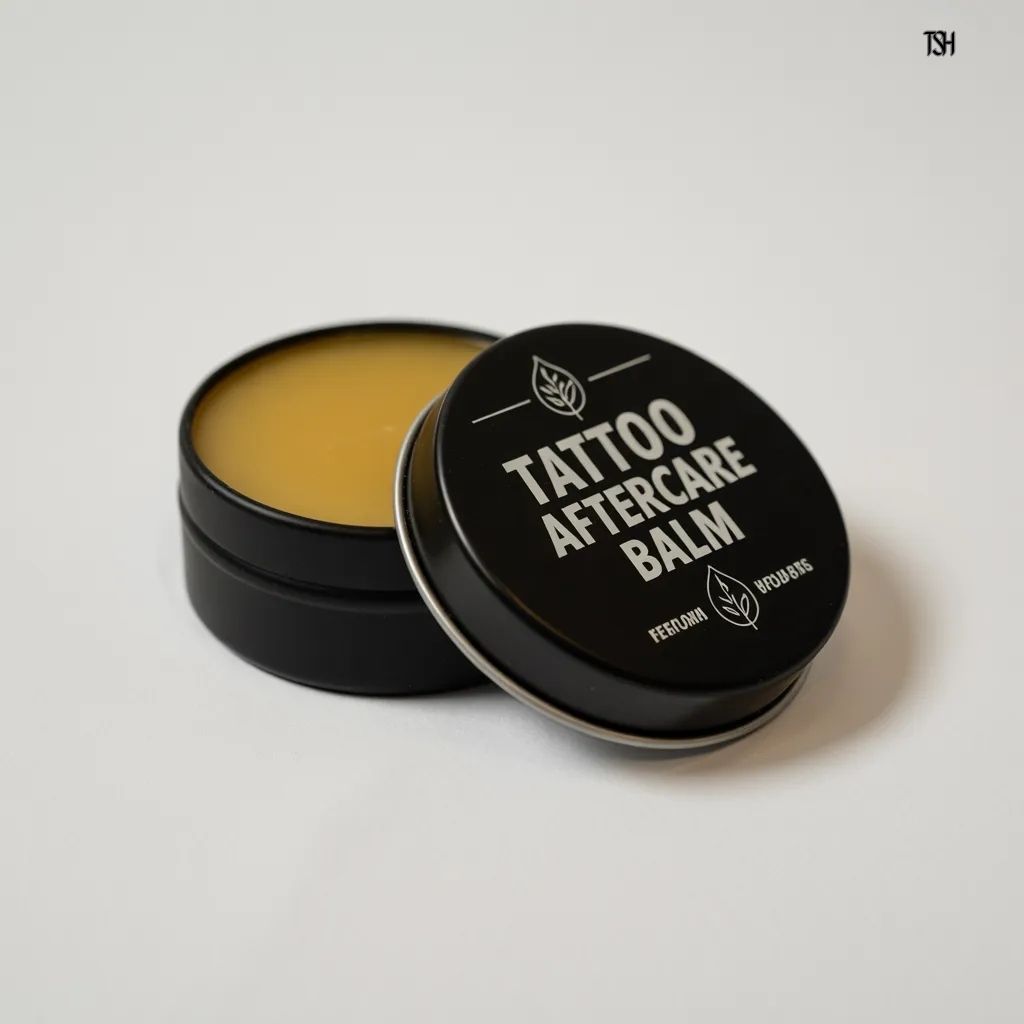
Before looking at specific products, it helps to understand what your skin needs.
A good aftercare product should hydrate the skin, calm irritation, and support healing without blocking pores. Ingredients like glycerin, panthenol, and ceramides help retain moisture and support skin repair
At the same time, harsh ingredients should be avoided. Fragrance, alcohol, and strong chemicals can irritate healing skin and affect how the tattoo settles.
Simple, gentle formulas are almost always the safest choice.
Ointments for the First Healing Stage
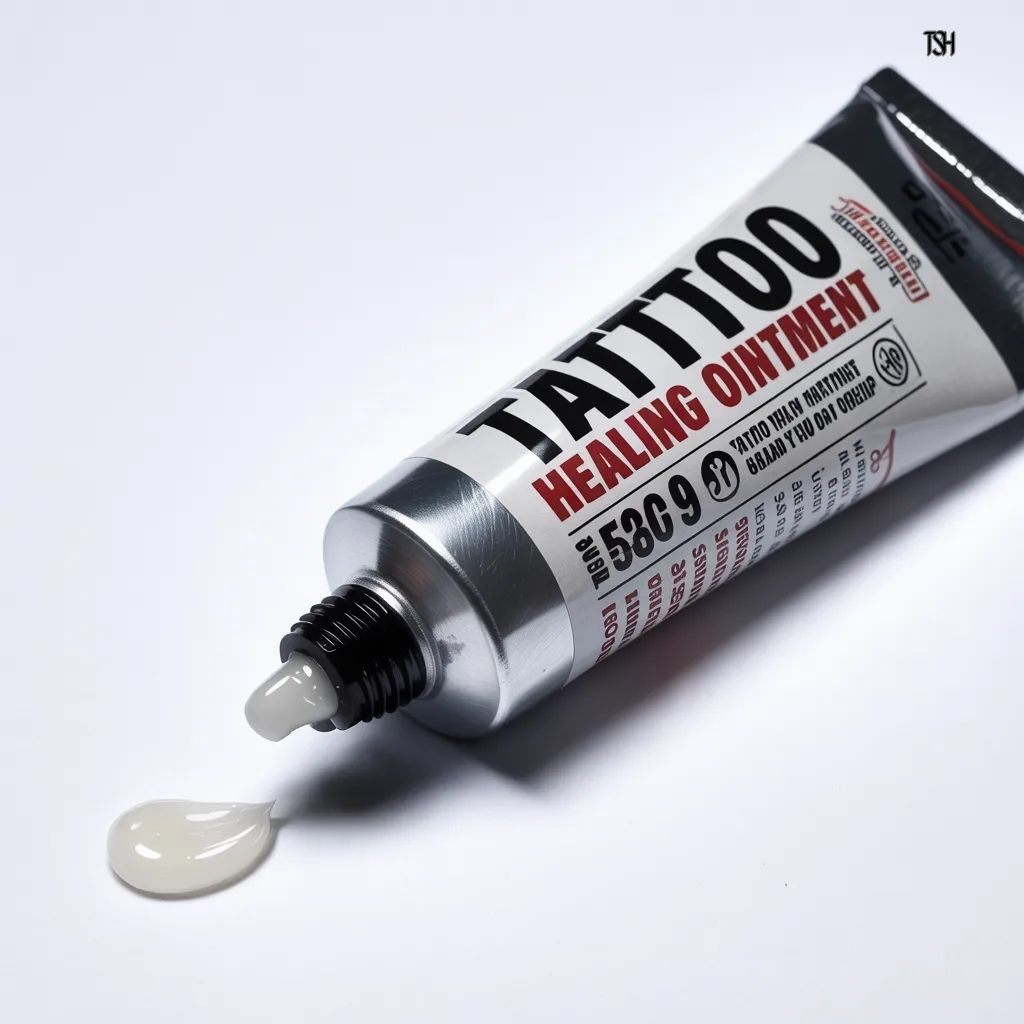
During the first few days, your tattoo behaves like a fresh wound. The goal is to protect the skin and prevent it from drying out too quickly. This is where ointments play an important role.
Ointments create a light barrier that locks in moisture and shields the tattoo from external irritation.
Dermatologists and artists often recommend products like Aquaphor Healing Ointment because it helps retain moisture and supports early healing without excessive irritation. Another commonly used option is Bepanthen Tattoo Ointment, which contains panthenol to support skin repair and reduce dryness.
For those who prefer a more natural alternative, Tattoo Goo Balm is widely used. It contains oils, beeswax, and vitamin E that help soften the skin and promote healing without clogging pores.
The most important rule here is application control. A thin layer is enough. If the tattoo looks shiny or greasy, you are using too much. Heavy application can trap heat and slow the healing process.
Ointments are best used for the first two to four days, then gradually replaced with lighter products as the skin begins to dry and peel.
Lotions for the Main Healing Phase
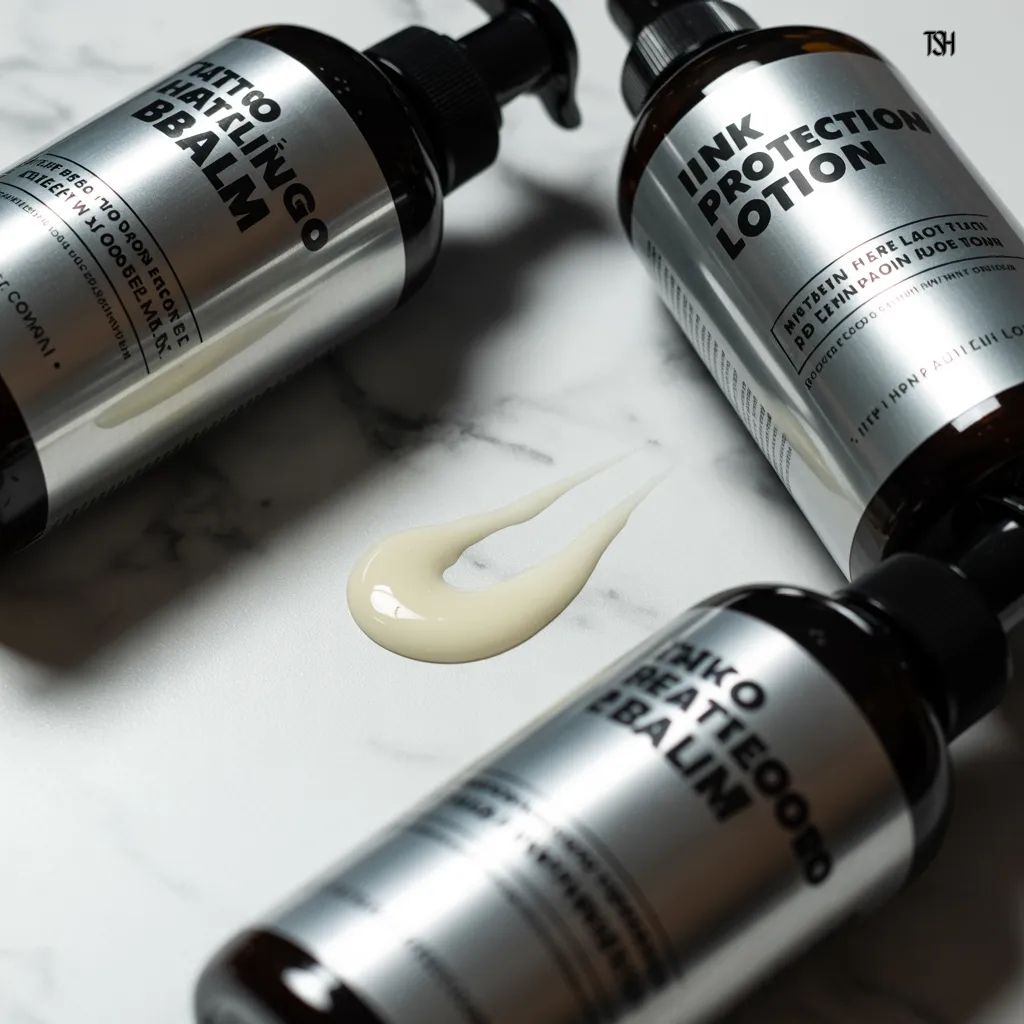
Once your tattoo enters the peeling stage, your skin no longer needs a barrier. It needs breathable hydration. This is where lotions become essential.
Lightweight lotions help reduce itching, prevent cracking, and keep the skin balanced during healing. Dermatologists often recommend simple, fragrance-free products such as Aveeno Daily Moisturizing Lotion or Eucerin Advanced Repair Lotion because they hydrate without irritating sensitive skin.
Tattoo-specific products can also be helpful. Hustle Butter Deluxe is popular for its plant-based formula that keeps skin soft without feeling heavy. Tattoo Goo Aftercare Lotion is another option designed specifically to support healing and maintain tattoo color.
At this stage, balance matters more than anything. The tattoo should feel soft, not sticky. Apply lotion two to three times daily, adjusting based on how your skin feels.
If the tattoo becomes tight or flaky, increase hydration slightly. If it feels overly damp, reduce the amount.
Creams for Long-Term Care
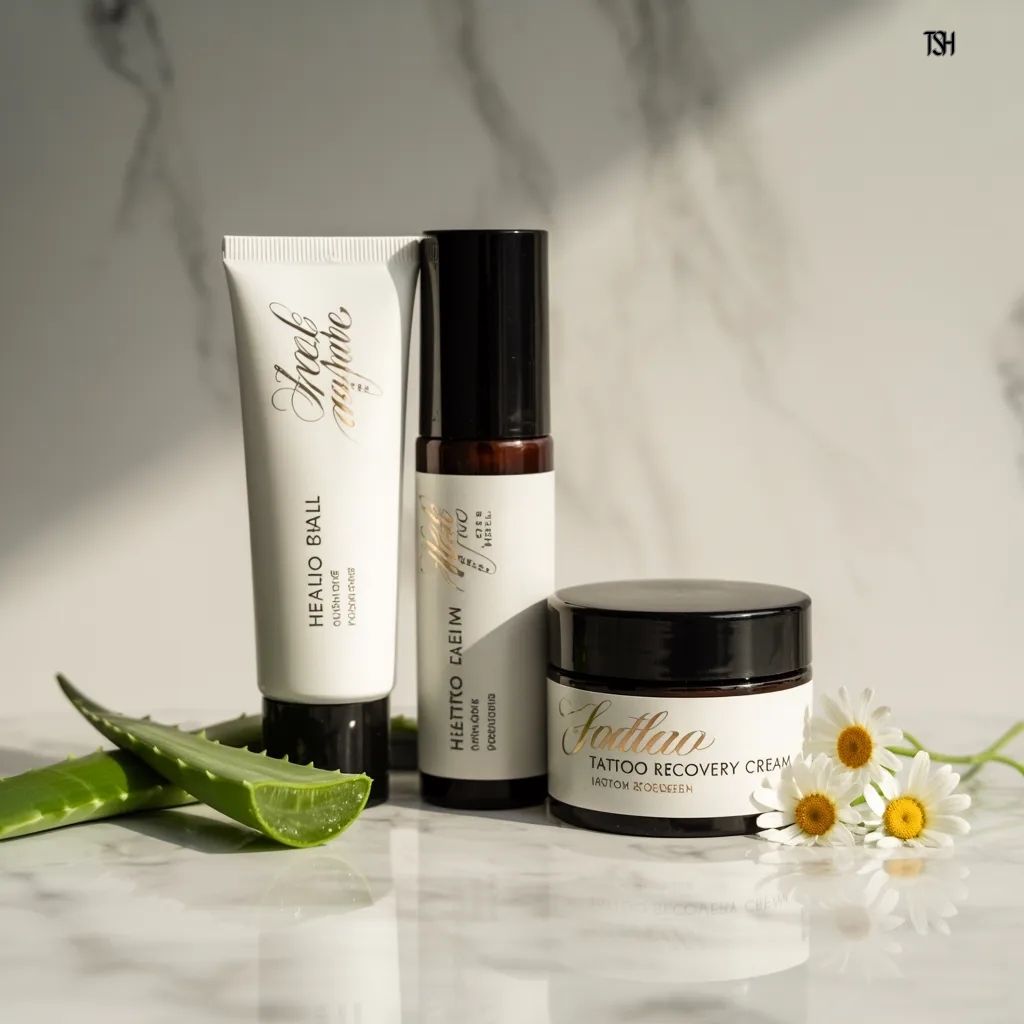
After healing, your tattoo becomes part of your long-term skincare routine. This is where creams help maintain clarity, color, and overall skin health.
Daily moisturizers such as CeraVe Moisturizing Cream or La Roche Posay Lipikar Balm help strengthen the skin barrier and keep the tattoo looking smooth. Healthy skin reflects light better, which makes colors appear more vibrant.
Tattoo-focused products can also support long-term results. Mad Rabbit Tattoo Balm and After Inked Daily Moisturizer are designed to maintain hydration while enhancing the appearance of healed tattoos.
At this stage, the most important habit is sun protection. Even the best cream cannot protect your tattoo if it is constantly exposed to UV light. Regular sunscreen use is essential to prevent fading.
Think of long-term care as maintenance rather than repair. Consistent hydration and protection will keep your tattoo looking sharper for years.
What to Avoid in Tattoo Aftercare
Some products may seem helpful, but can actually cause problems.
Heavy petroleum-based products used in large amounts can trap bacteria and affect healing. Overusing ointments is one of the most common mistakes.
Strong antibacterial products are also not ideal unless recommended by a healthcare professional. They may irritate the skin and interfere with natural healing.
Home remedies and random oils should be avoided unless you are sure they are safe for sensitive skin.
The simplest approach is often the best. Clean skin, light moisture, and consistency lead to better results.
How to Use Aftercare Products Properly
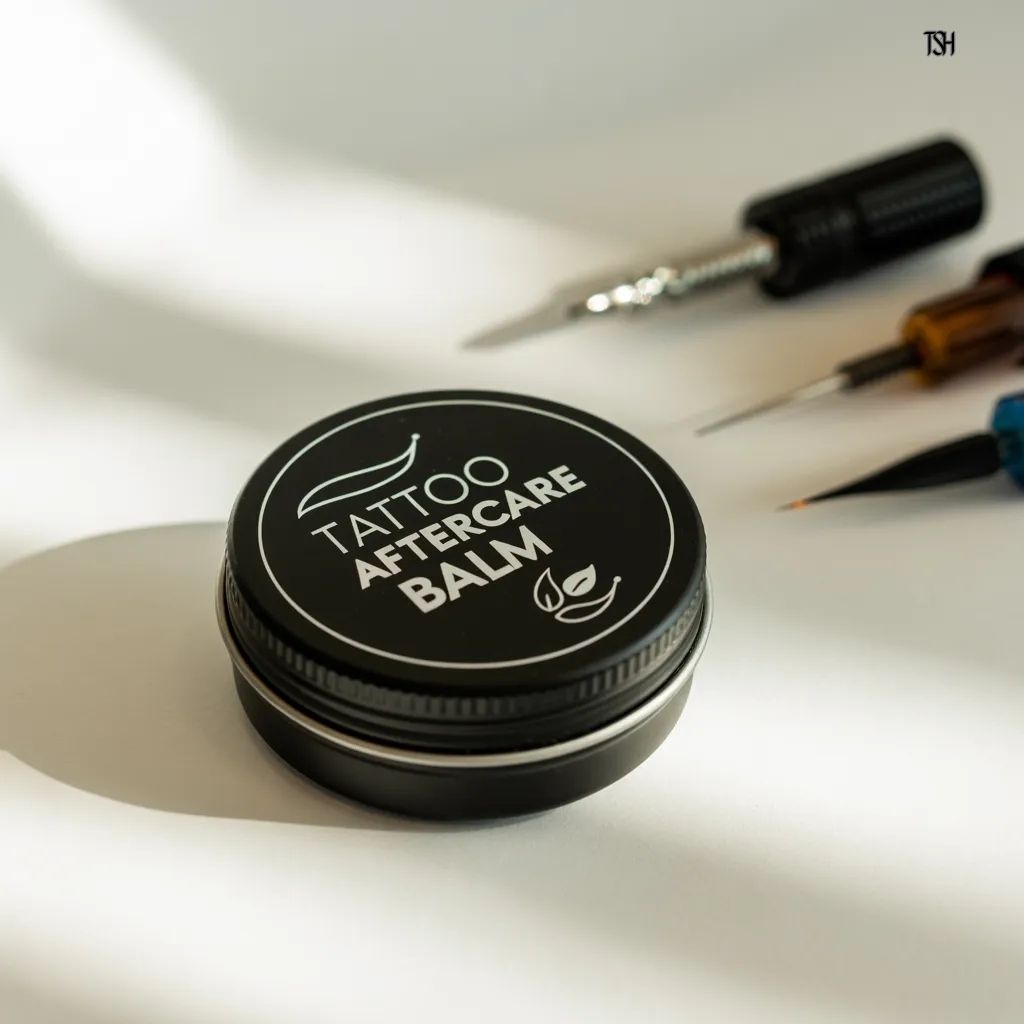
Even the best product will not work if used incorrectly.
Apply a thin layer after cleaning the tattoo. The skin should feel hydrated but not greasy. Over-applying the product can slow healing and create buildup.
Switch from ointment to lotion after the first few days. This allows the skin to breathe while still staying hydrated.
Consistency matters more than quantity. Regular care helps the tattoo heal evenly and maintain its clarity.
Final Thoughts
Tattoo aftercare does not need to be complicated. The right products support your skin without overwhelming it.
Ointments protect during the early stage. Lotions keep the skin balanced as it heals. Creams help maintain the tattoo long after healing is complete.
Choosing simple, gentle products and using them correctly makes a noticeable difference. With proper care, your tattoo will heal cleanly and stay vibrant for years.