Why You May Need a Tattoo Touch-Up
A new tattoo often looks sharp and vibrant once the healing process is complete. The lines appear crisp, the colors stand out clearly, and the design feels exactly as you imagined. As time passes, however, small changes can begin to appear in the tattoo. Some lines may soften, colors may lose a little brightness, or certain areas may look slightly uneven.
These changes are normal. Tattoos live in the skin, and the skin naturally changes over time. Because of this, many people eventually choose to refresh their tattoo with a touch-up. A touch-up is a simple process where a tattoo artist reinforces parts of the design to restore clarity and color.
Understanding why touch-ups are sometimes necessary can help you maintain your tattoo so it continues to look its best.
What Is a Tattoo Touch-Up
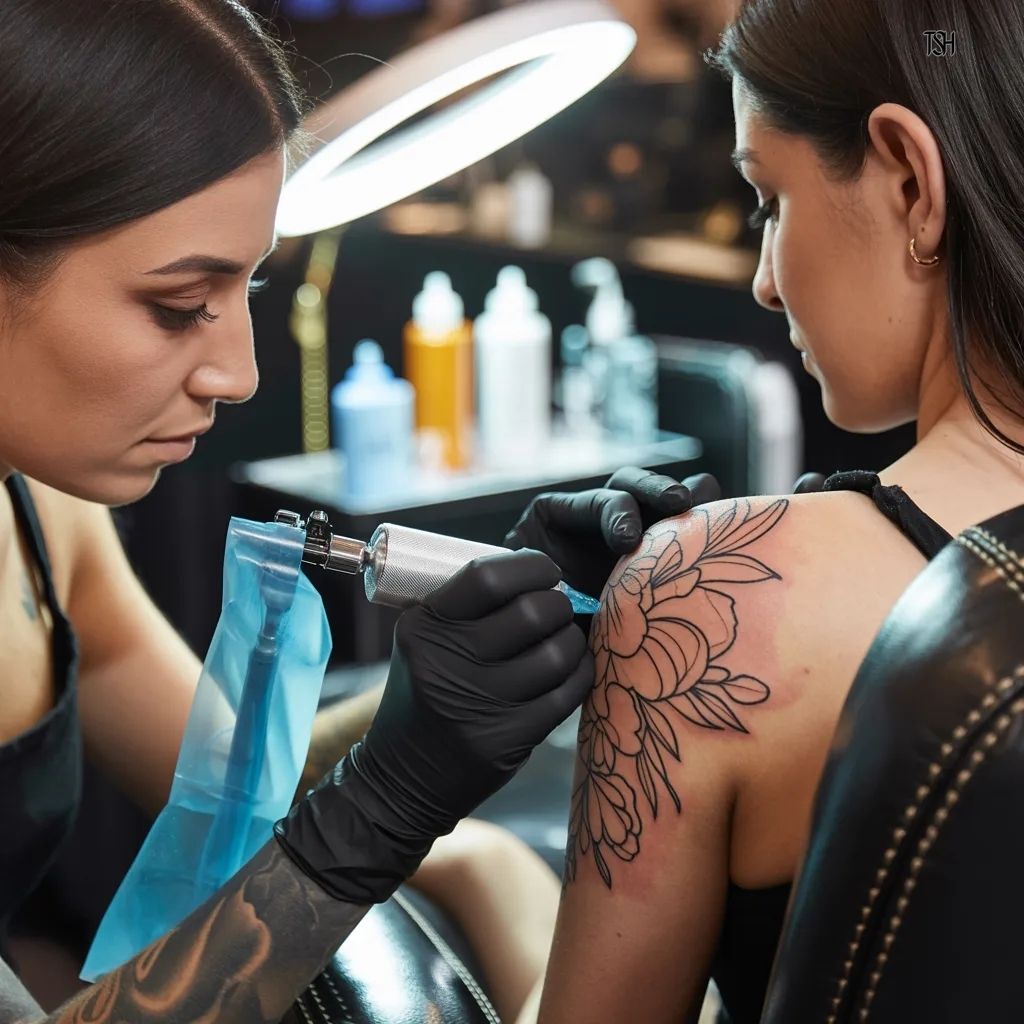
A tattoo touch-up is a short session in which the artist revisits the tattoo to correct minor imperfections or refresh faded areas. The artist may strengthen outlines, add more pigment, or balance sections of color that healed unevenly.
Touch-ups are not the same as covering an old tattoo with a new design. Instead, they are meant to restore the original appearance of the artwork.
Most touch-ups take far less time than the original tattoo session because only small sections of the design need attention.
Why Tattoos Sometimes Need Touch Ups
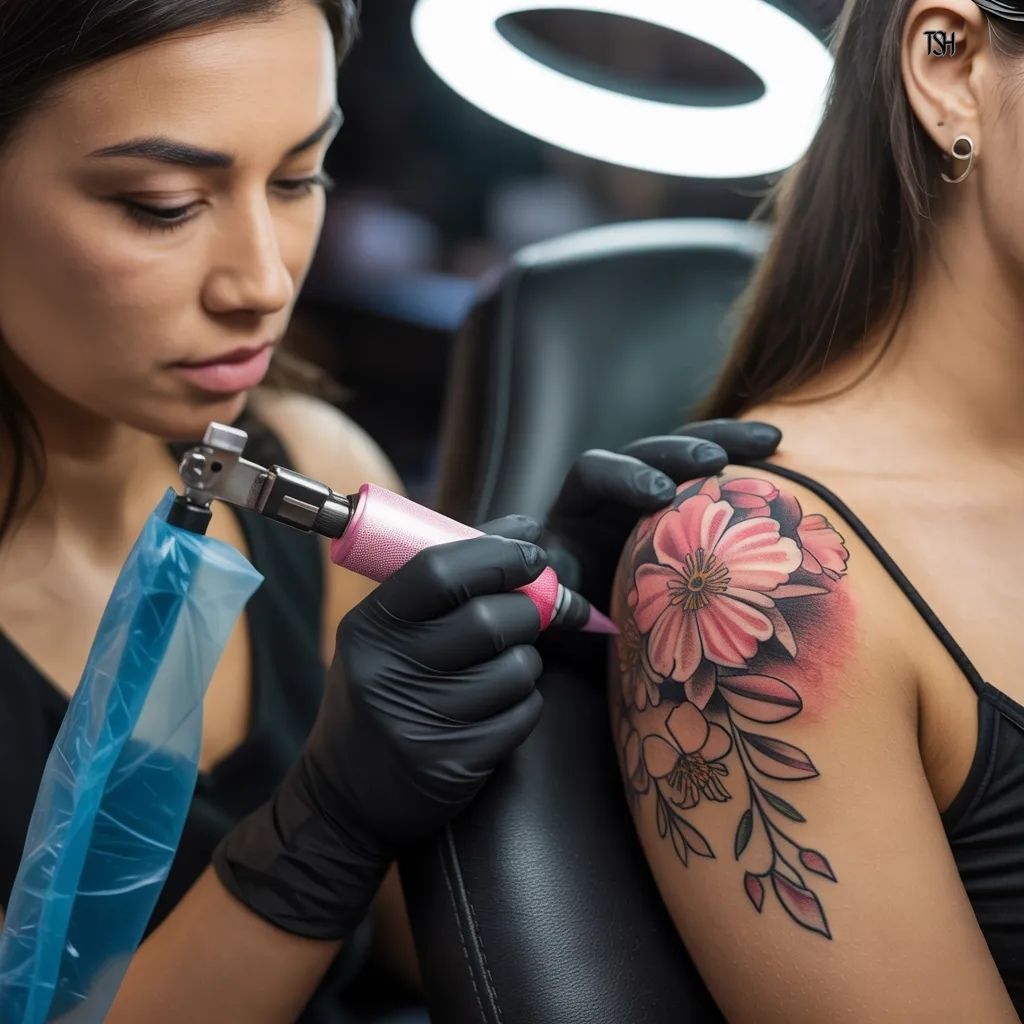
Several factors can affect how a tattoo settles into the skin. Even when the artist applies the tattoo correctly, small variations can occur during healing.
Natural skin healing
Every person’s skin heals differently. During healing, some areas of ink may sink deeper into the skin, while others may appear slightly lighter. This can create small variations in color or line strength.
Ink loss during healing
If scabs are accidentally picked or the tattoo becomes irritated during healing, small areas of pigment may lift from the skin. A touch-up allows the artist to replace the lost pigment.
Fading over time
All tattoos fade gradually. Sun exposure, aging skin, and daily wear can slowly reduce the intensity of ink. Touch-ups help restore brightness and contrast.
Placement on the body
Tattoos located on hands, fingers, feet, or joints often fade faster because these areas experience constant movement and friction. These tattoos commonly require occasional refreshing.
Signs That Your Tattoo May Need a Touch-Up

Not every tattoo requires a touch-up. Many tattoos remain clear and vibrant for years with proper care. However, certain signs may suggest that a small refresh could improve the design.
A tattoo may benefit from a touch-up if you notice:
- lines that appear lighter or uneven
- small gaps in shaded areas
- faded sections of color
- parts of the design that look less defined
If these changes are minor, a quick session with your tattoo artist can often restore the tattoo’s original look.
When Is the Right Time for a Touch-Up
Timing is important when considering a tattoo touch-up. The skin must be fully healed before additional tattooing can take place.
Most artists recommend waiting at least four to eight weeks after the original tattoo session before scheduling a touch-up. This allows the skin to complete the healing process and settle naturally.
Some artists include one complimentary touch-up within a certain period after the initial tattoo. Policies vary by studio, so it is helpful to ask about this during your appointment.
For older tattoos, touch-ups can be performed years later if the design has faded or softened.
How to Reduce the Need for Touch Ups

Although touch-ups are common, proper aftercare and maintenance can help tattoos stay vibrant for longer.
Protecting the tattoo from sun exposure is one of the most effective ways to preserve pigment. Regular use of sunscreen helps prevent premature fading.
Keeping the skin hydrated also helps maintain tattoo clarity. Moisturized skin reflects light more evenly, which can make tattoos appear sharper.
Following the aftercare instructions provided by your tattoo artist is also important. Proper healing reduces the risk of pigment loss during the first few weeks.
What Happens During a Touch-Up Appointment
A tattoo touch-up session is usually quick and straightforward. The artist examines the tattoo to identify areas that need improvement.
Once the design is reviewed, the artist carefully reinforces lines or adds pigment where needed. Because the work focuses on small areas, the session is often shorter than the original tattoo appointment.
The healing process after a touch-up is similar to the healing of a small tattoo. Mild redness and slight sensitivity may appear for a few days before the skin returns to normal.
Final Thoughts
Tattoo touch-ups are a normal part of maintaining body art. Skin changes over time, and even well-applied tattoos may develop small areas that could benefit from a refresh.
A simple touch-up session can restore faded lines, strengthen color, and bring the tattoo closer to its original appearance. When combined with proper aftercare and sun protection, touch-ups help ensure that your tattoo remains vibrant and clear for many years.